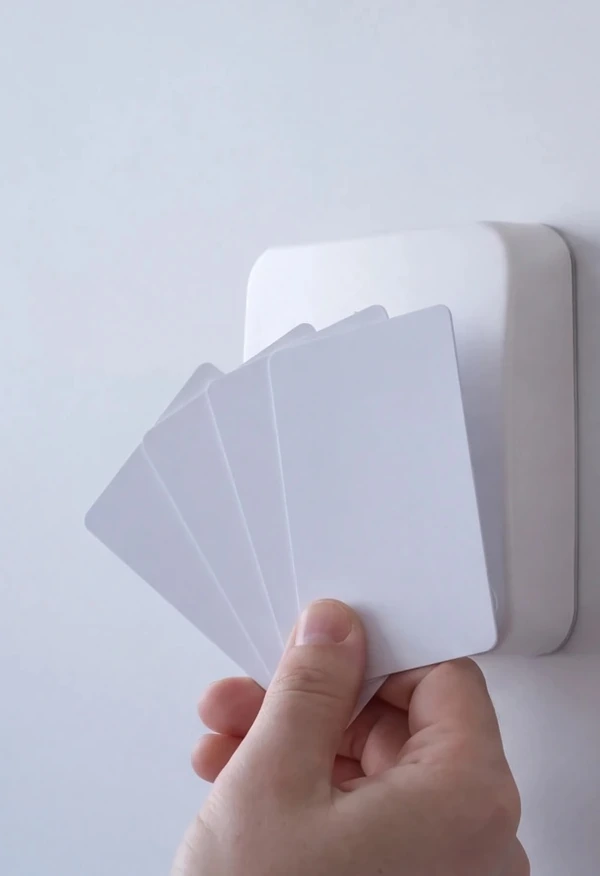
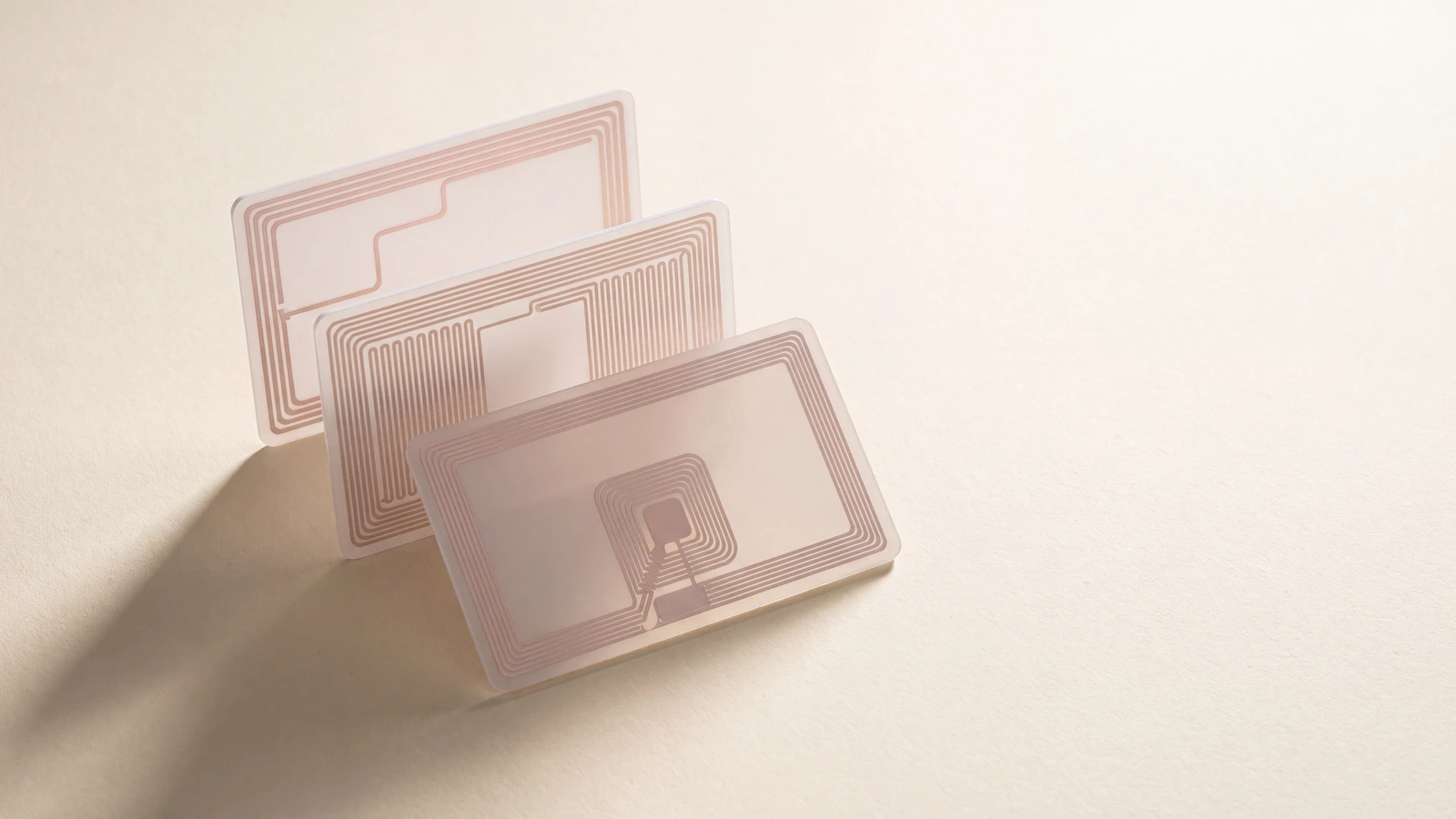
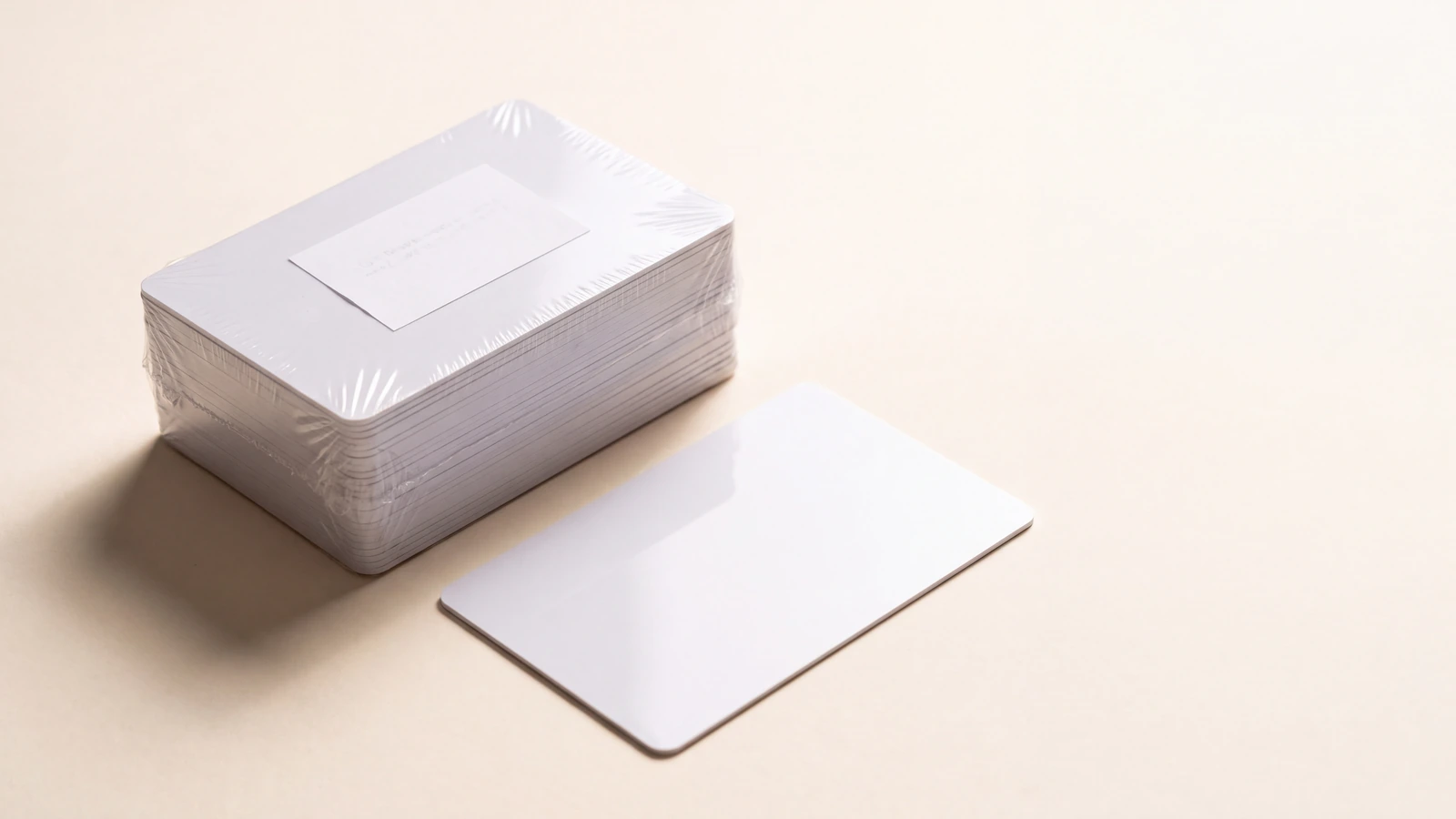
NTAG and MIFARE Ultralight EV1 cards for brands that ship one with every product. Encoded at the plant, every chip tested, packed to spec.

Brands that ask buyers to register a product, activate a warranty or start onboarding. Every chip carries a unique UID, the UID list comes back with the order, and a tap opens the registration page. One card per product, read-tested before it leaves the plant.
Encoding and variable data →Audio players, toys, smart home devices and packaging that ship an NFC card with every unit. A tap opens the app, the playlist or the setup guide. Artwork can change with each product line while the chip stays the same, which keeps reorders quick. The cards work with NFC-enabled phones.
Cards cut to a product outline →Guest cards for hotel groups and resorts that tap to Wi-Fi, the room service menu or the hotel app. Printed to the brand artwork on both sides and encoded with a URL per property, so each hotel gets the right link and the group keeps one design across sites.
Hotels and resorts →It depends on how much data the card holds and what the tap has to do. NTAG213 covers a single URL, NTAG215 and NTAG216 give more memory, and MIFARE Ultralight EV1 suits short links at very high volume. Send the use case and we confirm the chip in writing.
Very large runs where each card only has to open one short link on a phone.
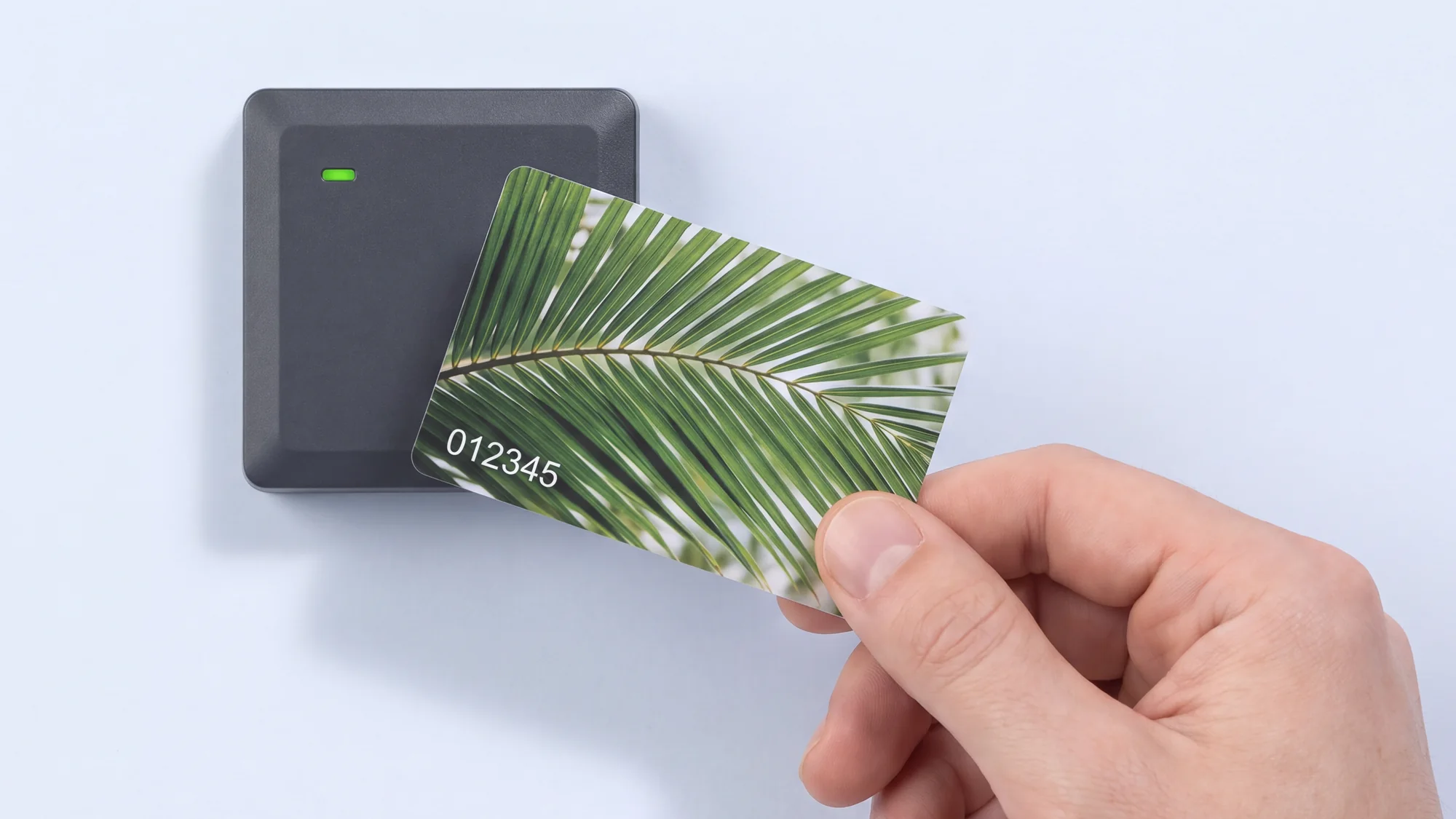
Tap to app, product pages and registration links on Android phones and iPhone.
Digital business cards, vCards and several NDEF records on a single card.
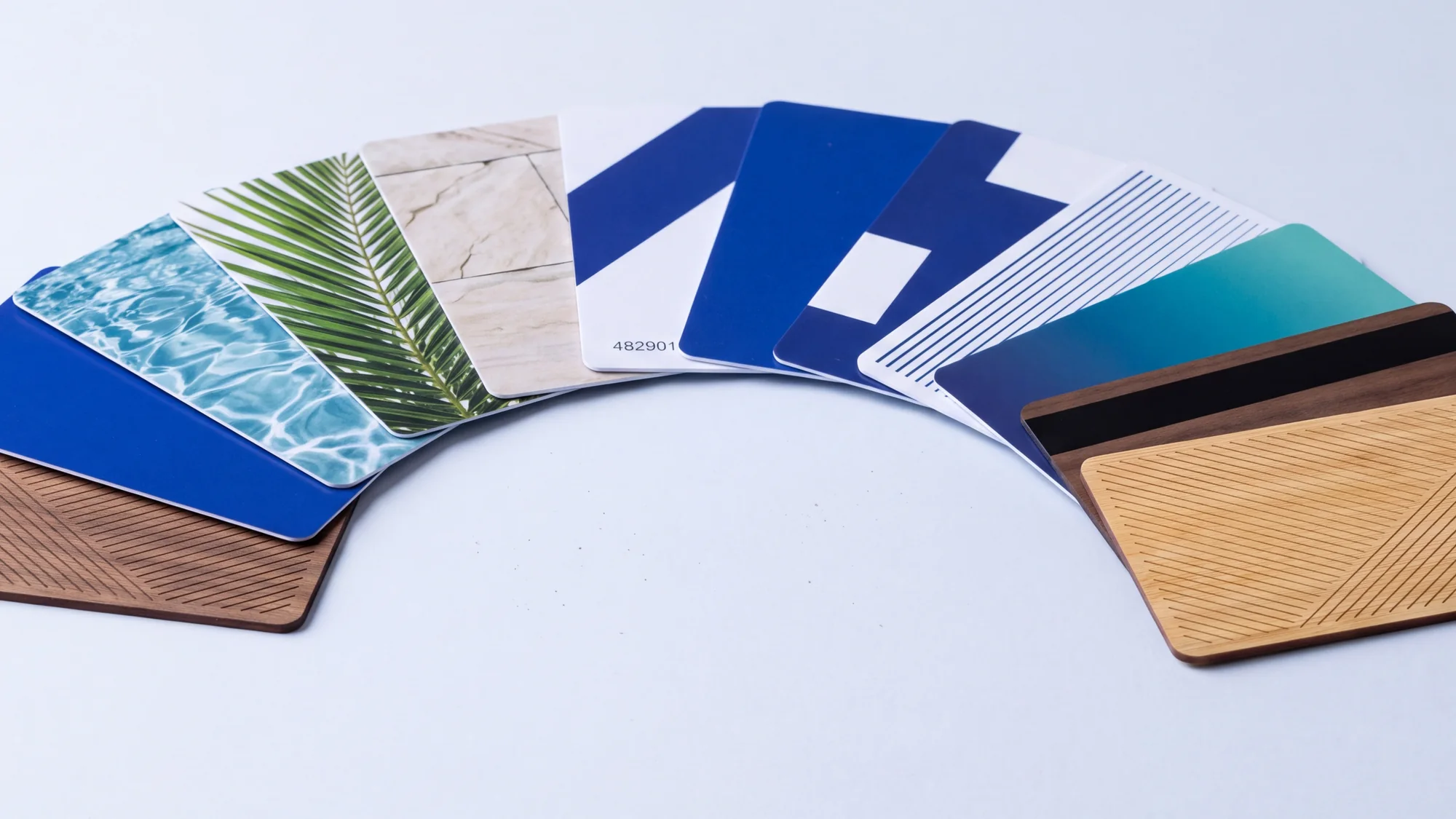
Brand artwork is adapted for print and printed on both sides at the plant that builds the card, so the shade signed off on the proof is the shade in the box.
Each card leaves the plant encoded with its URL or NDEF data and read-tested one by one. Packed to the brand spec with the logo printed in black, ready to drop into the product box.
The chip and the encoding are identical in all three, so the decision comes from the product, the packaging and the brand story. Wood has real limits on print and stripe, and the table sets them out before the order, not after.
| Standard PVC | Recycled PVC | Wooden | |
|---|---|---|---|
| Body | New PVC sheet | An eighty per cent recycled core | Basswood, cherry, black walnut or bamboo |
| Card thickness | 0.76 mm | 0.76 mm | 1.20 to 1.30 mm |
| Full colour brand print | Yes | Yes | Yes |
| Laser engraved logo | No | No | Yes |
| Magnetic stripe option | Yes | Yes | No |
| Surface finish | Matte or gloss laminate | Matte or gloss laminate | Natural grain with engraving |
| Best fit | Volume runs that ship inside every product box | Brands cutting new plastic, with a slight shade shift accepted | Premium products and cards a buyer keeps for years |
Send the use case and the phones it has to work on. Chip and data are agreed in writing before the order.
Chip, memory and NDEF data, from the URL list or from a card the brand ships today. A card posted to the plant can be read and checked there.
Part of the result sits in the phone: NFC has to be switched on, and some older models read a tag only through an app.
A sample card, encoded and printed like the run, so the tap is tried on real phones before production is booked.
Tap behaviour depends on the chip, the phone model and its NFC settings. All trademarks belong to their respective holders. No affiliation or endorsement is implied.
Planning a card that also opens a door? The lock, not the brand, decides the chip.
Open the guide →Ultralight, Classic and DESFire share a frequency with NTAG but behave differently.
Open the guide →Blank cards, one URL for the whole run or unique data per card, and who holds the keys.
Open the guide →8M
Cards a month, capacity
1,300m²
Plant floor in Dongguan
87
People in the plant
15+
Years making cards at this plant
PDF or AI files for both sides, with bleed. Rough artwork is fine: the plant adapts it for print and matches the brand colours.
What the tap should open: one URL for all cards, or a URL per card. The UID list ships with the order.
A rough volume per product line is enough. It sets the run plan, from 500 units upwards.
The date the cards must reach the product line, and how they are packed: by box count or by SKU.
Yes, with the right chip and data. NTAG213, NTAG215 and NTAG216 read on current Android phones and iPhone. Older iPhones need an app to read a tag, and we flag that before the order rather than after.
NTAG213 for one URL, NTAG215 when the link carries more data, NTAG216 for vCards or several records. MIFARE Ultralight EV1 suits very large runs that only need a short link.
Yes. Each chip can carry a unique URL or NDEF record from a spreadsheet, one row per card. The UID list is supplied with the order, so every card can be matched to a unit, a serial number or a buyer.
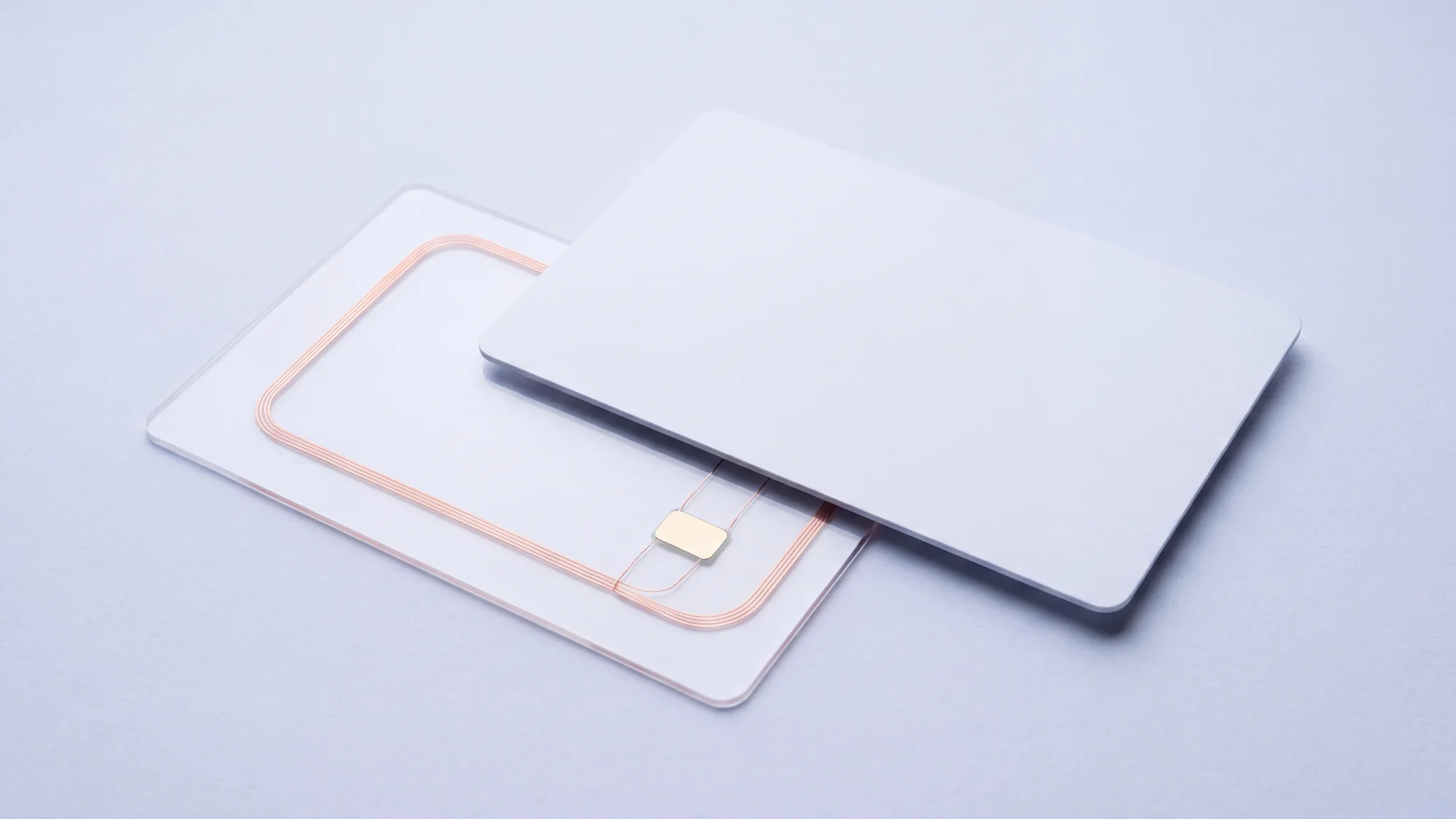
Both are 13.56 MHz chips that phones can read. NTAG comes in three memory sizes, up to 888 bytes, and is built around NDEF for phone taps. Ultralight EV1 has less memory and suits short links at very high volume.
For phone taps: NTAG213, NTAG215, NTAG216 and MIFARE Ultralight EV1, all at 13.56 MHz. The plant also builds cards with MIFARE Classic EV1, DESFire EV2 and EV3 or ICODE SLIX when a project needs a secure or industrial chip. Send the use case and we confirm the fit.
Yes. URLs and NDEF data are written at the plant in Dongguan, UIDs are read and listed, and every chip is read-tested one by one before shipping: 100%, not sampling. A card that fails the read is pulled before packing.
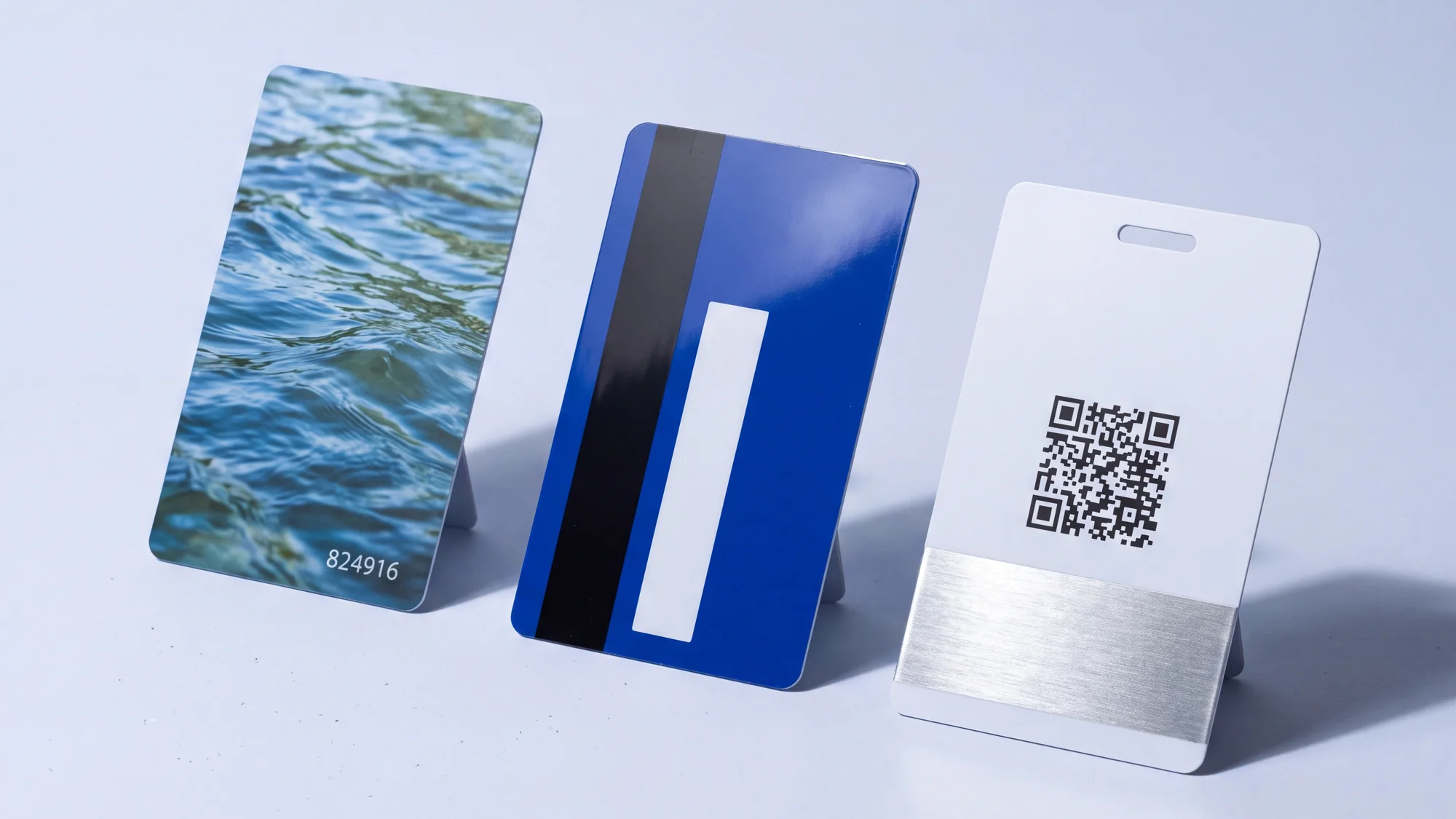
Yes. Serial numbers, QR codes and barcodes can be printed per card and matched to the data in the chip. Send one spreadsheet with a row per card, and the print and the encoding follow it.
Yes. A free sample goes out before any order, by express, with the chip, data and print specified, so the brand team can tap it on real phones before signing off a run.
Standard production is 13 calendar days from approval, 8 calendar days on express. Minimum order is 500 units, and the line is built for eight million cards a month, so a product launch and the reorders after it run on the same line.
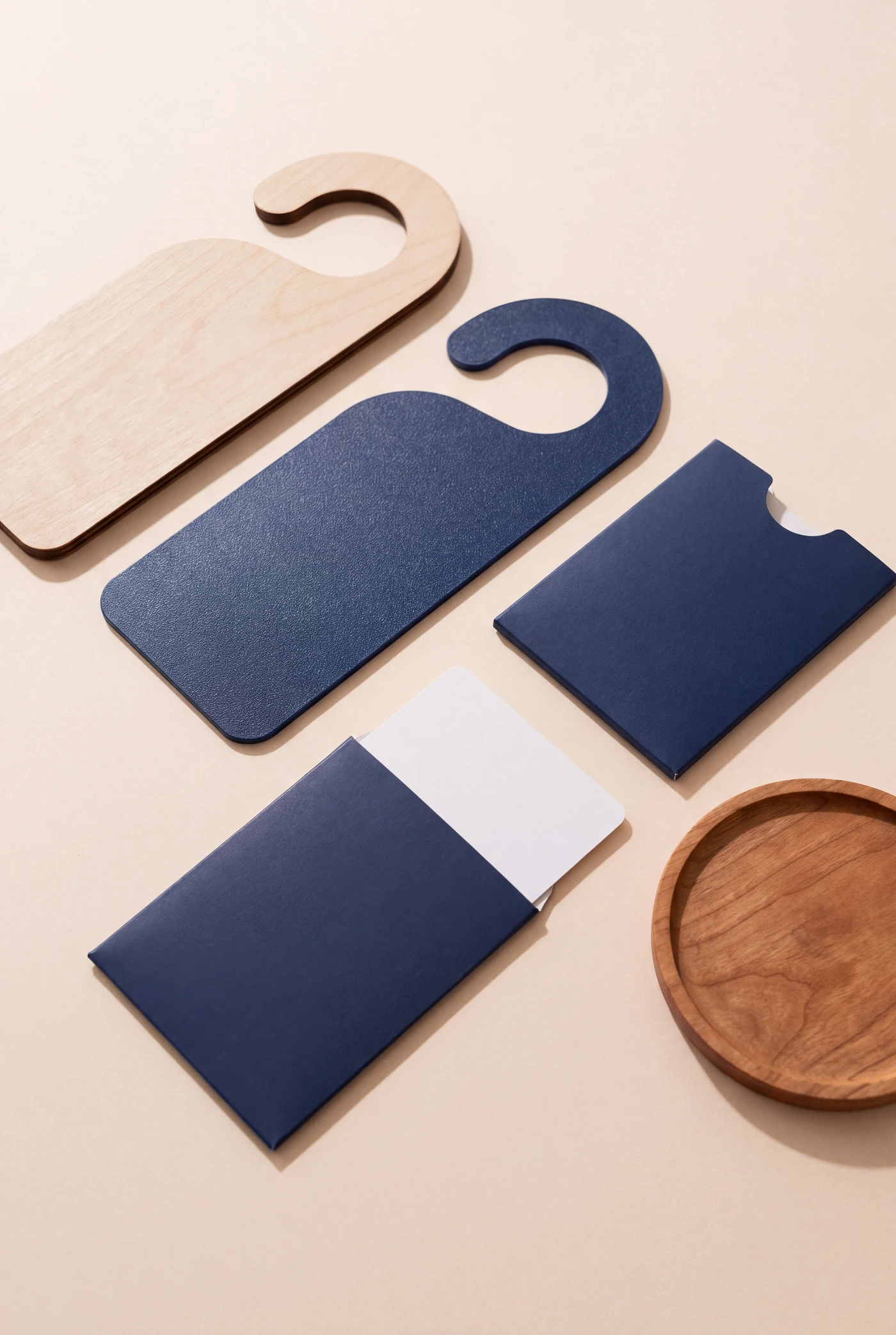
An NFC card that travels in a product box needs protection on the way. Sleeves and holders are cut to the card size and added to the same order.
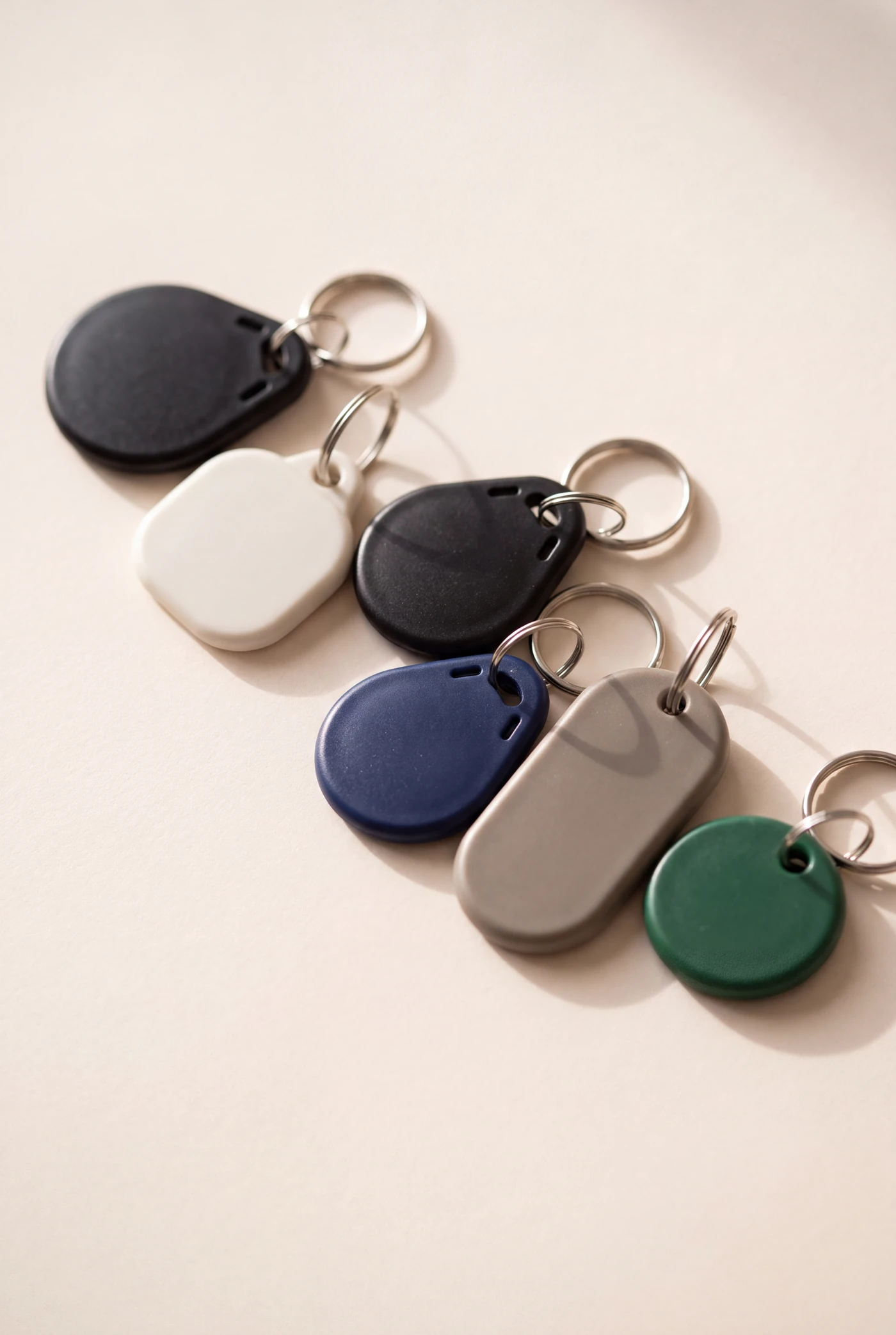
See accessories →The same NTAG chips and the same encoding in an ABS fob, for products where a tag on a key ring works better than a card.
See key fobs →For resorts, gyms, spas and guests in wet areas. The same NFC chips as the cards, so a brand can run cards and bands in one programme.
See wristbands →