Numbers, names, photographs, codes and chips applied in the same plant that makes the body, so the card arrives ready to issue.
Applied in the same pass as the artwork, which is why fifty thousand cards with fifty thousand numbers is one production run and is priced as one.
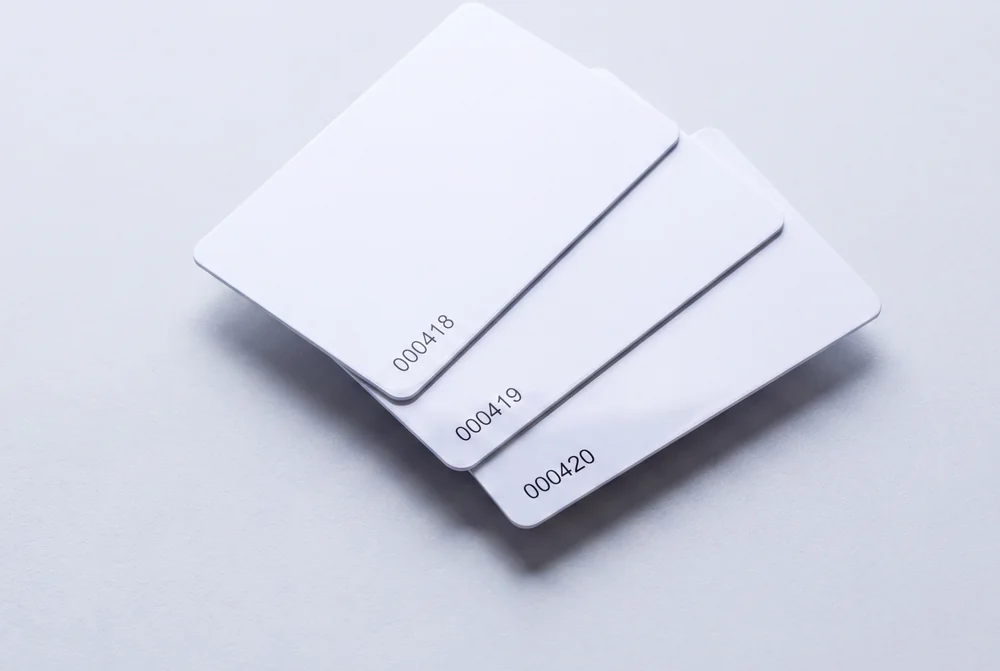
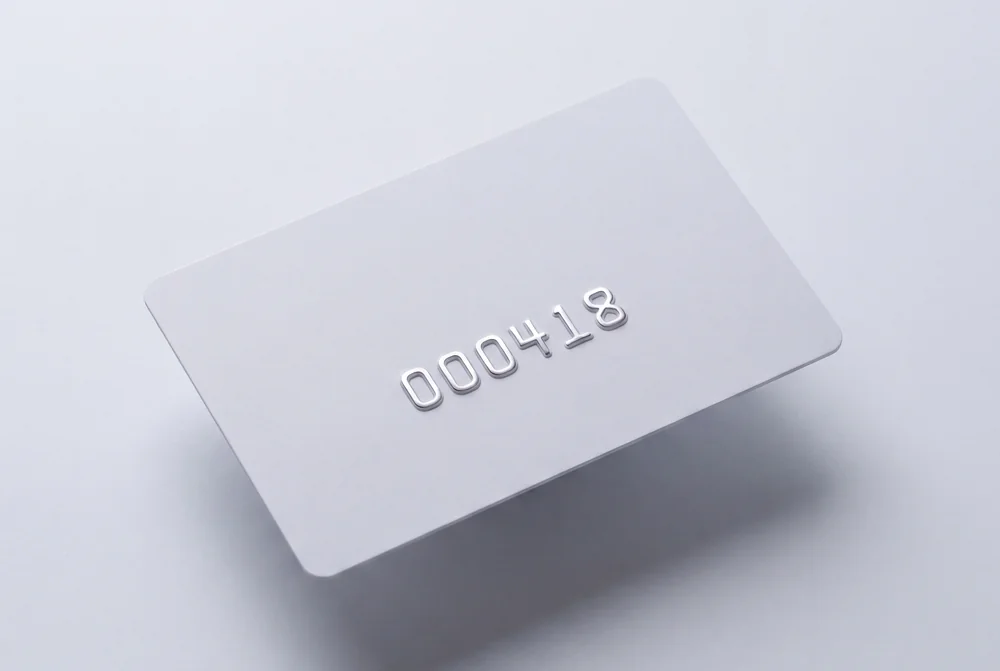
Numbers printed on every card, running in sequence or taken from a list you supply. They go down in the same pass as the artwork, so numbering is part of the print run rather than a separate job afterwards.
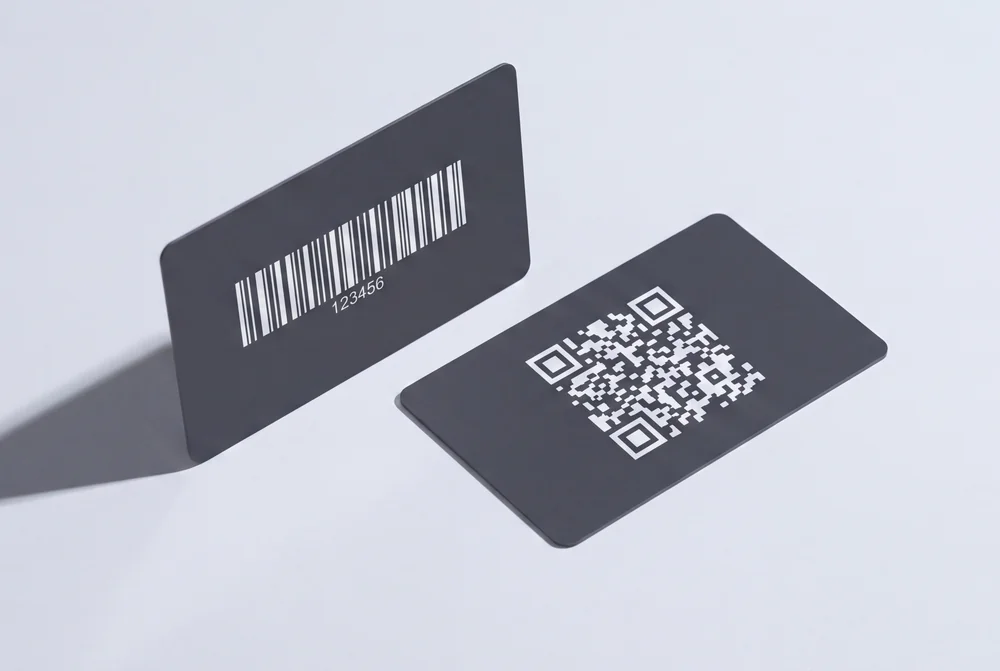
Printed on each card in the symbology your system already reads, linear or 2D. Tell us the scanner and we set the module width and the quiet zone against it, so it reads first time at the counter.
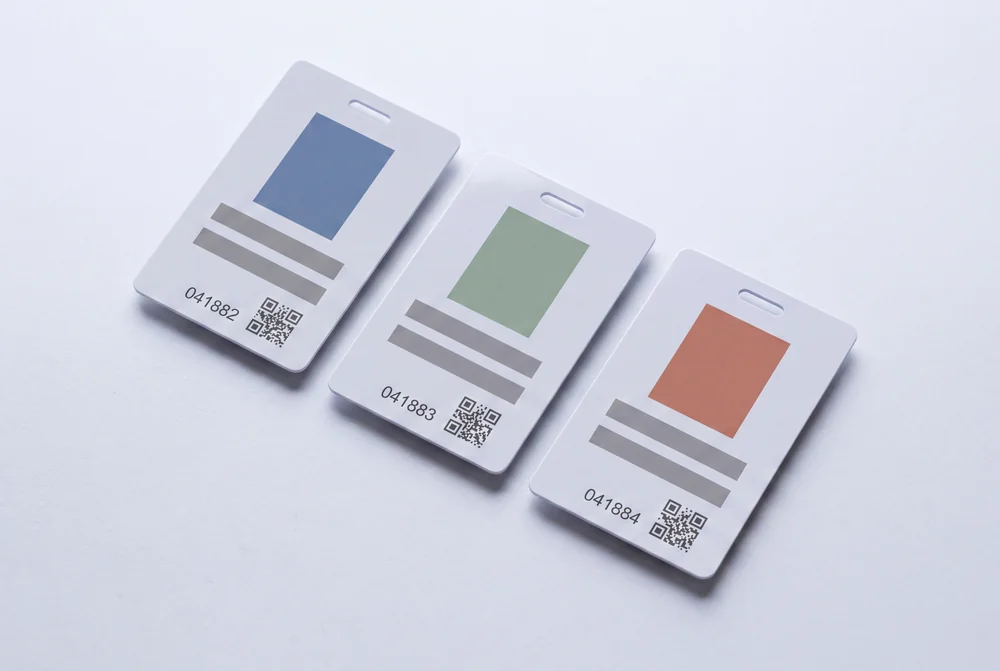
Names, photographs, departments, expiry dates and anything else that changes from card to card, taken from one spreadsheet. It is printed in the artwork pass, so a personalised card is one production run and not a blank plus a desktop printer later.
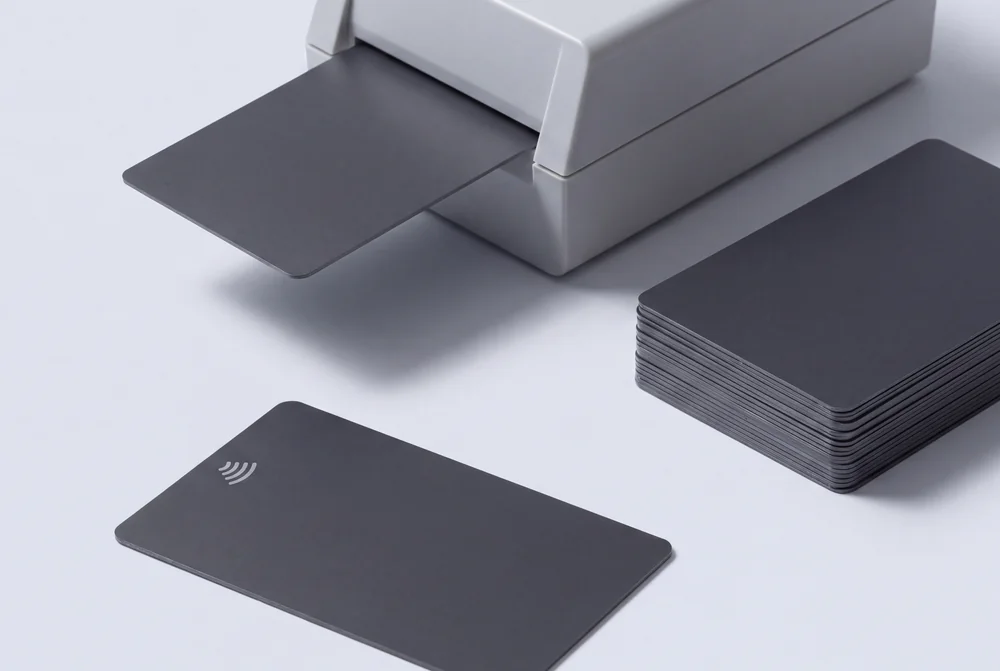
Chips written on our own floor, to the numbering and the sectors your system expects, with the UID list delivered alongside the order. The box arrives ready to issue rather than ready to programme.
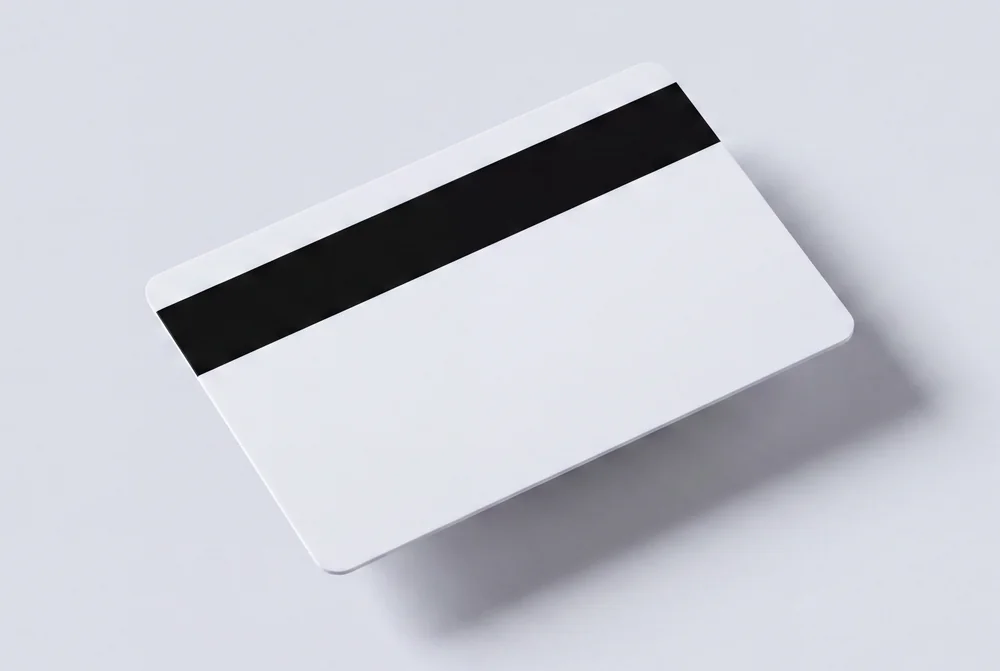
HiCo or LoCo, laminated into the body rather than stuck on afterwards, so the stripe cannot lift at the edge. Encoded here on the tracks your system uses. PVC only, and it cannot go on wood.
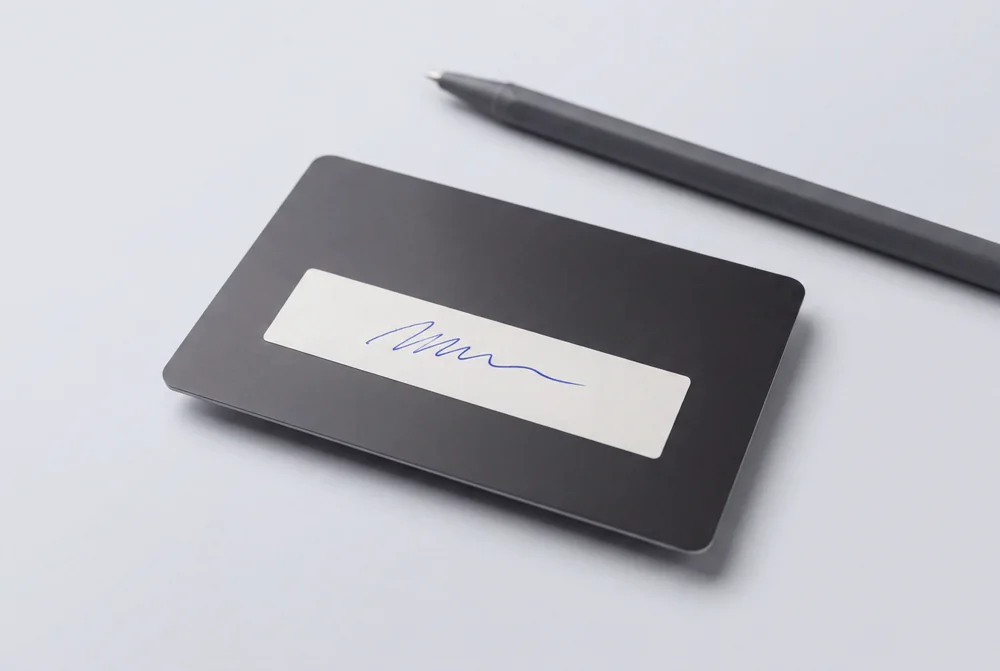
A coated white area that takes ballpoint and pencil without smearing or wiping off. Printed as part of the card back, so it sits flush with the surface and does not catch when the card goes through a reader.
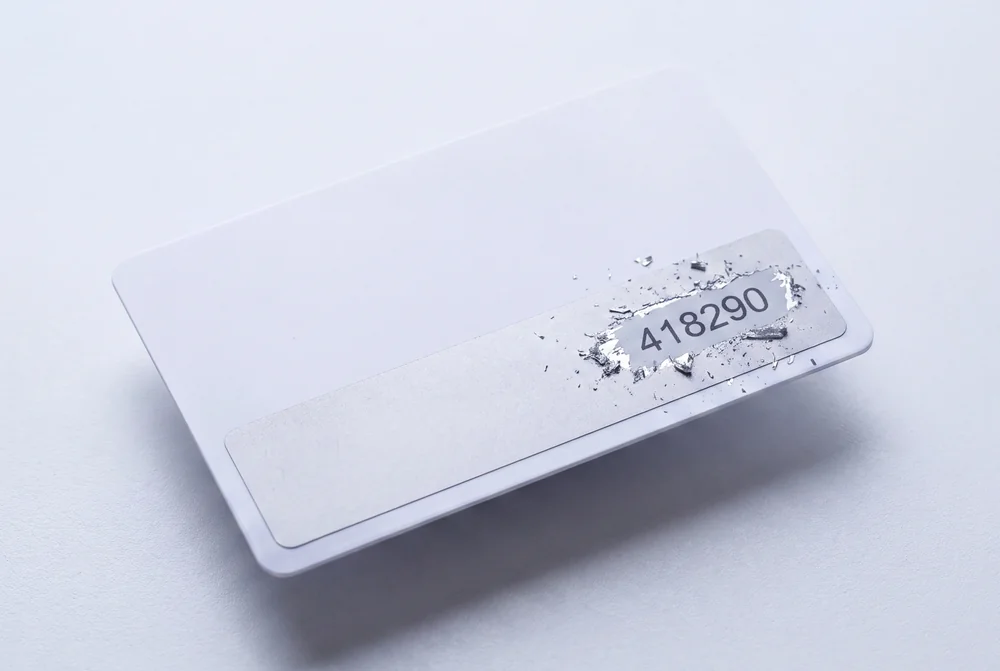
An opaque layer over a printed code, taken off with a coin. Used for PIN delivery and activation codes, where the card has to prove that nobody read it before the holder did.
A gift card, a membership that unlocks a price, a credential that opens a door. Five features that make a copy expensive to produce and easy to spot at the counter. They can be combined on one card.

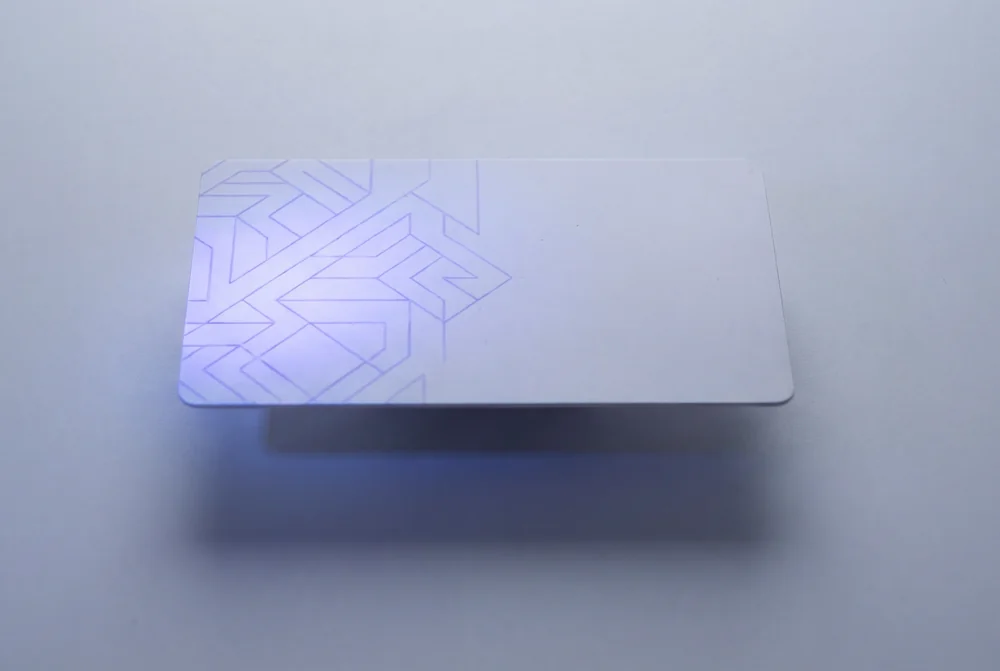
Ink that is invisible in daylight and shows only under a UV lamp. A copier and a phone camera both see nothing, so the mark cannot be reproduced from a photograph of the card.

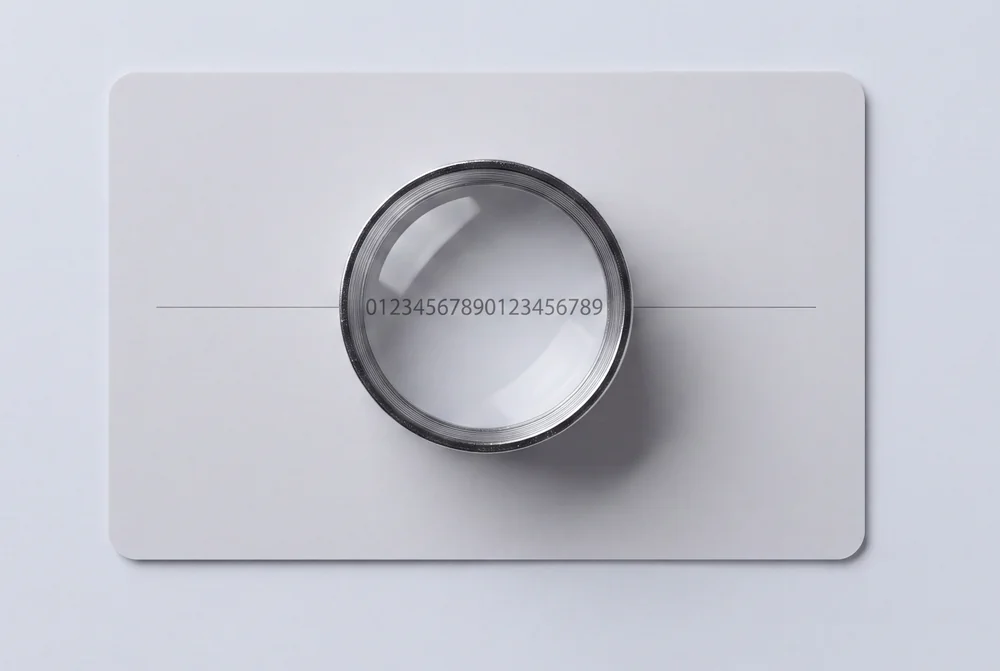
Text printed small enough to need a loupe. It survives our press but not a scanner, so on any copy it degrades into a grey line, which makes the forgery obvious to anyone who knows where to look.

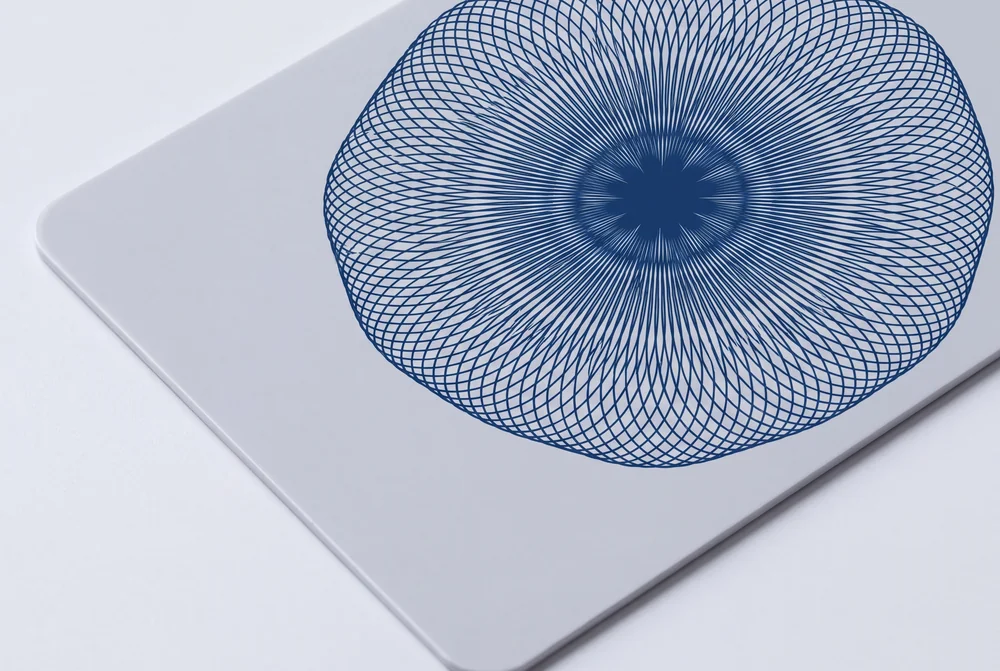
The fine interlaced line work used on banknotes, built into the artwork rather than added on top. Scanning it and printing it again breaks the pattern into moire, so the copy announces itself.

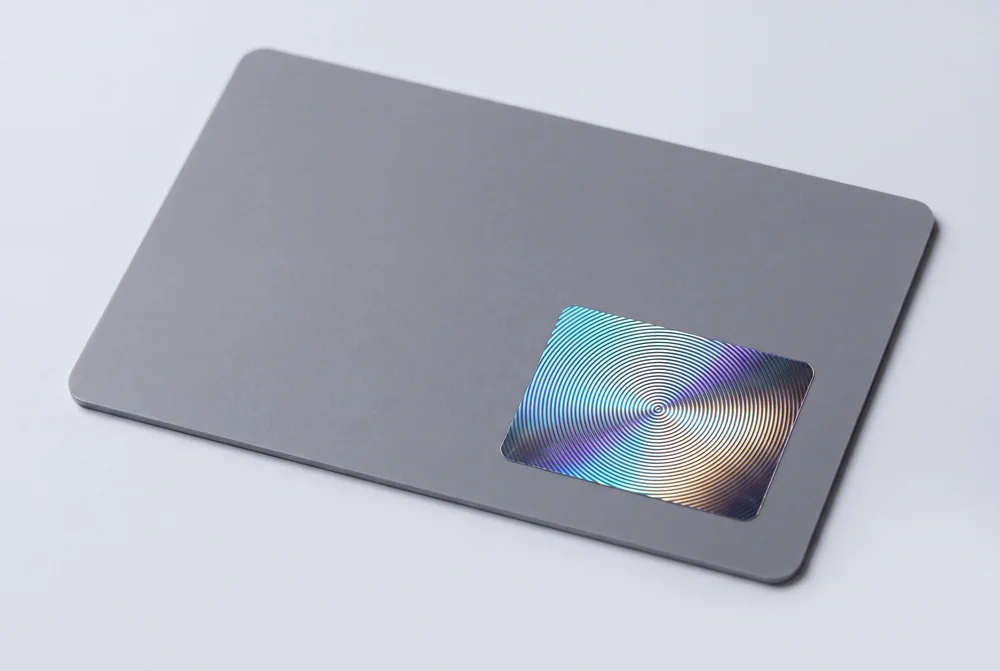
A metallised patch or a full laminate that shifts as the card tilts. It is checked by eye in a second, with no lamp and no loupe, which is what makes it the practical one at a busy desk.

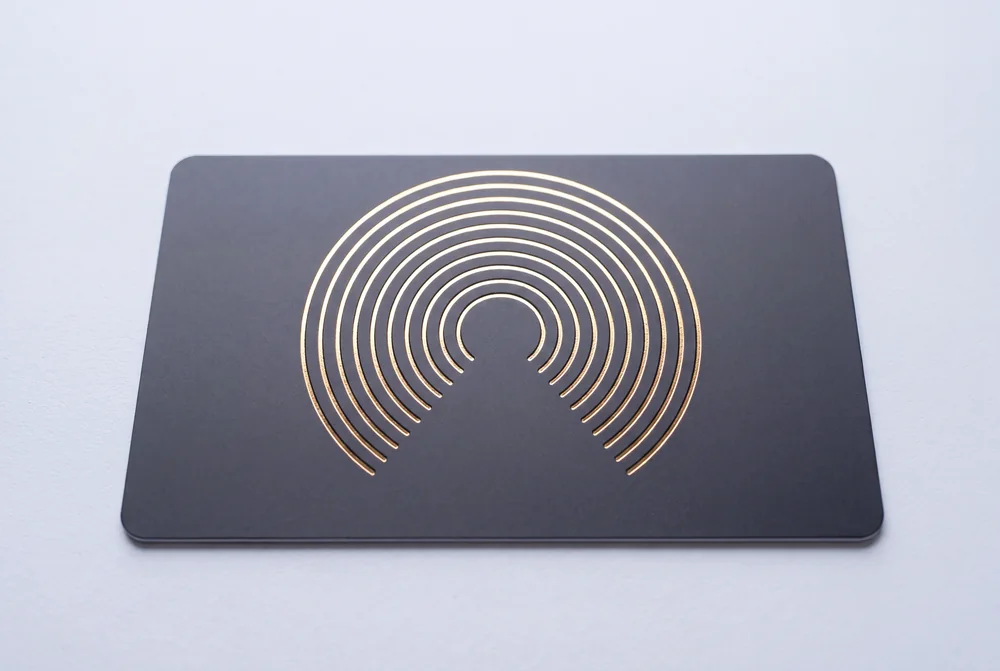
Metallic foil pressed into the surface with heat and a die, not printed on top of it. No office printer produces it, and the die itself is a barrier to anyone trying to copy the card.
The part a person notices before they read anything. All of it happens on the same line as the printing, so it is one order and one approval rather than a card sent out to be finished somewhere else.

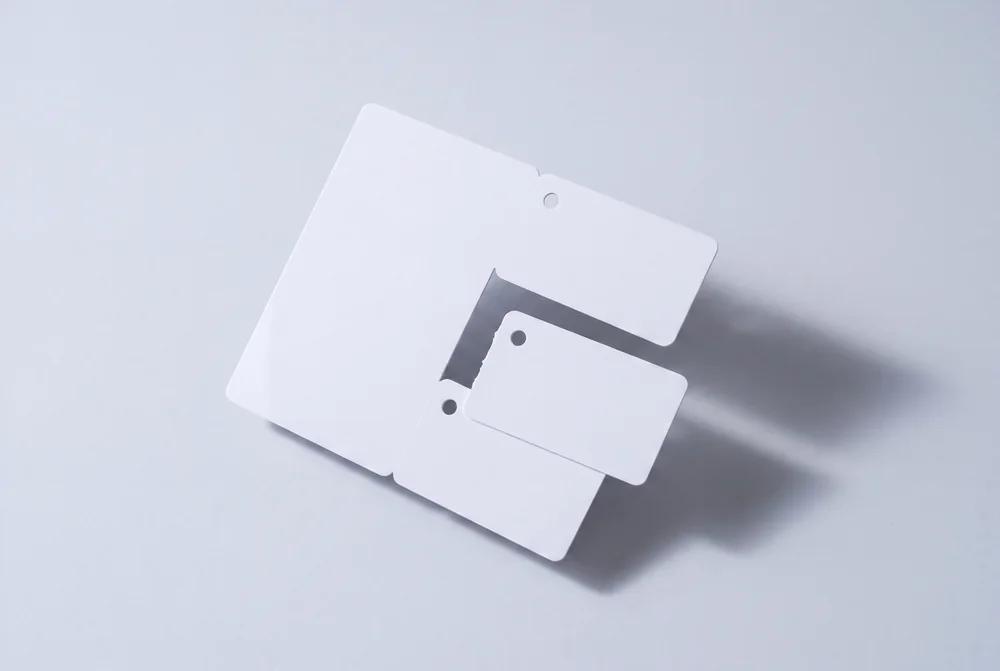
Any outline up to 200 mm on the longest edge, cut from our own tooling. Break-apart cards, key tags and shapes that never started from CR80 are cut on the same machine as a standard card.

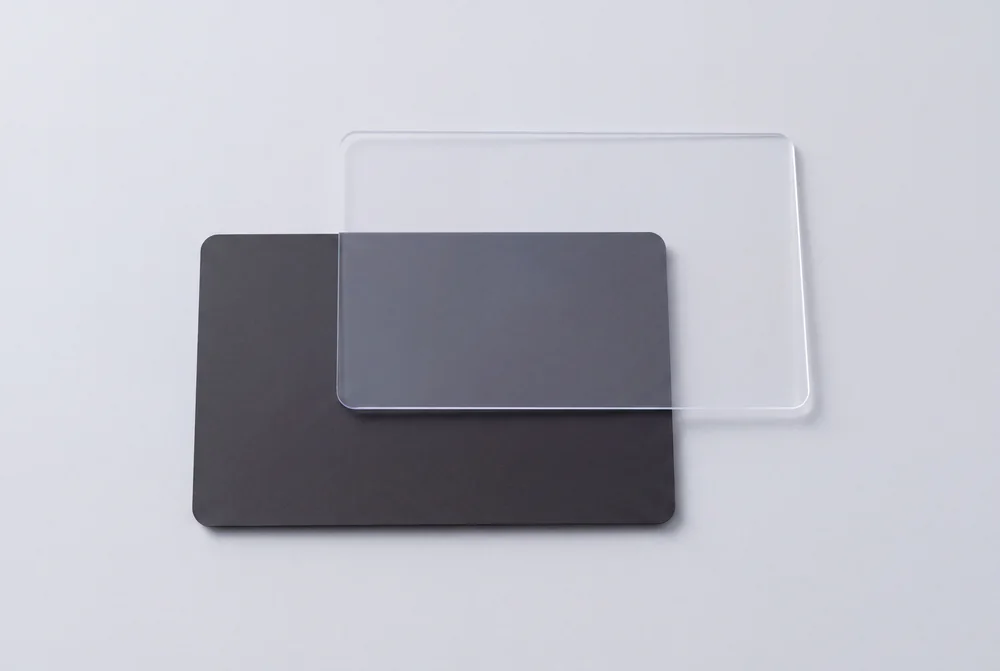
Clear or part-clear bodies, with the artwork built around the window rather than laid over it. The chip and the antenna have to be positioned into that layout, so this is the finish to send artwork for early.

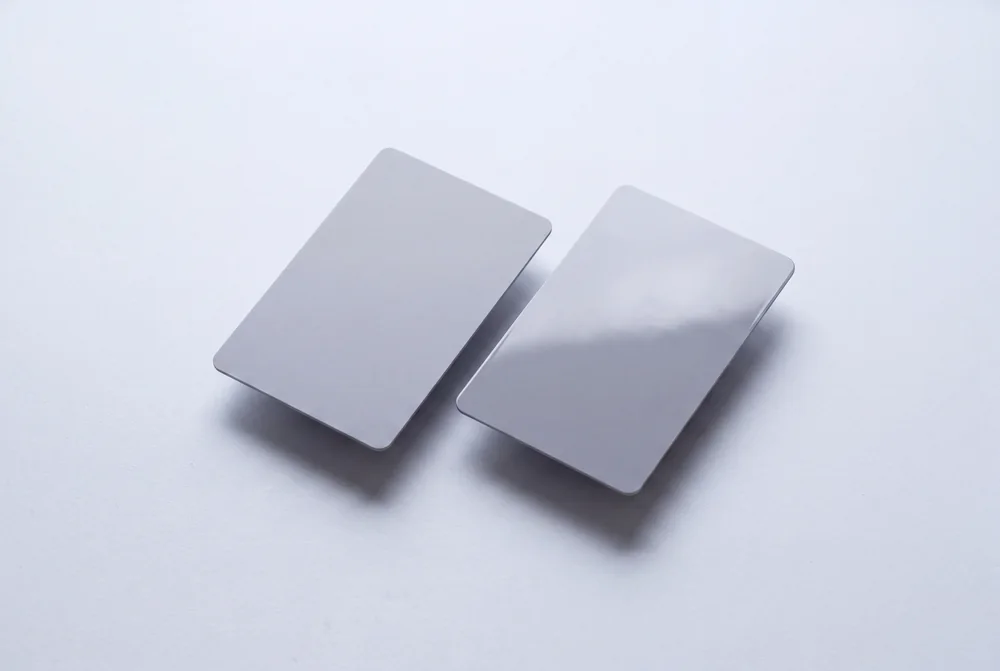
A surface that kills glare under reception lighting and does not hold fingerprints. It also wears better than gloss, which is what matters on a card handled several times a day for a year.

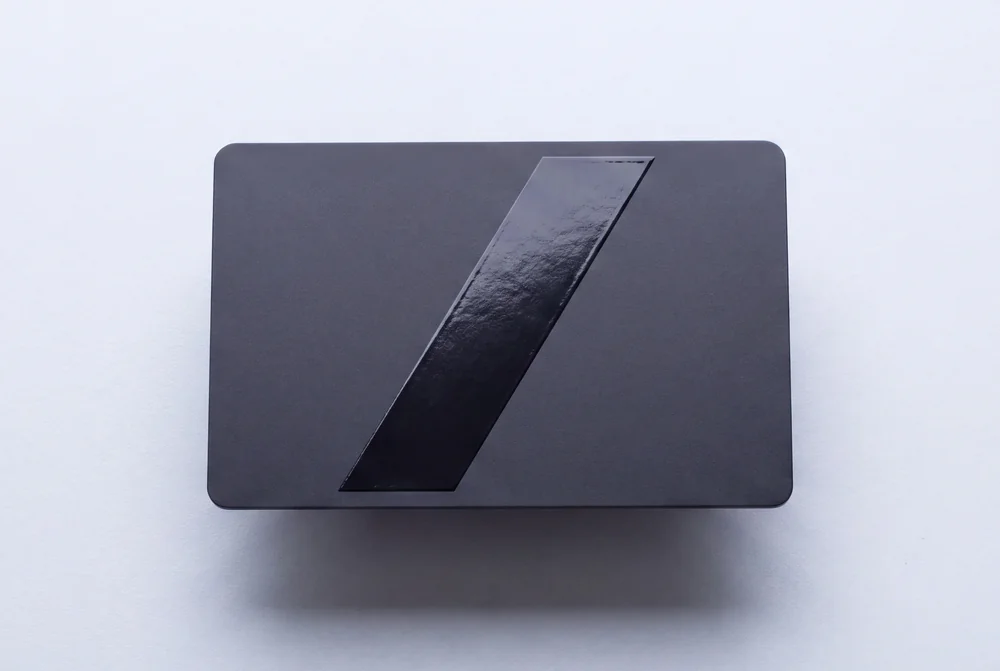
Gloss laid on one element of a matte card, a logo or a band, so it catches the light while everything around it stays flat. It can also run across the whole face where the artwork wants shine.

Raised characters pressed through the body from behind, read by a finger as much as by an eye. Used where a number has to stay legible with no reader and no power behind it.

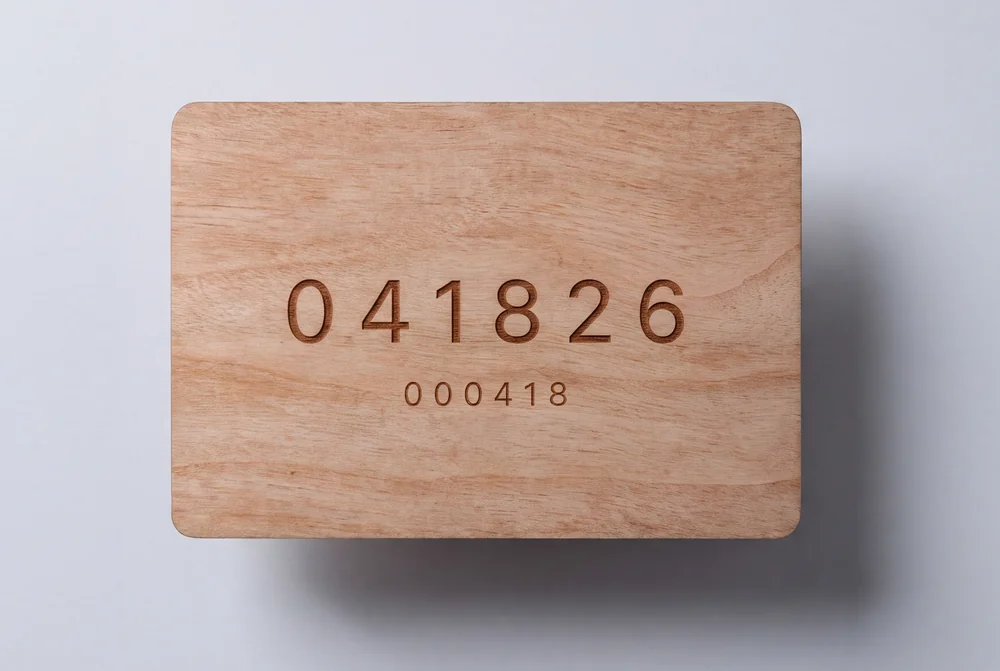
Marking cut into the surface with a laser rather than printed on it, so the mark is the material and cannot rub off. Used on wood and bamboo, where the burn opens the grain, and on ABS key fobs where a printed mark would wear away.