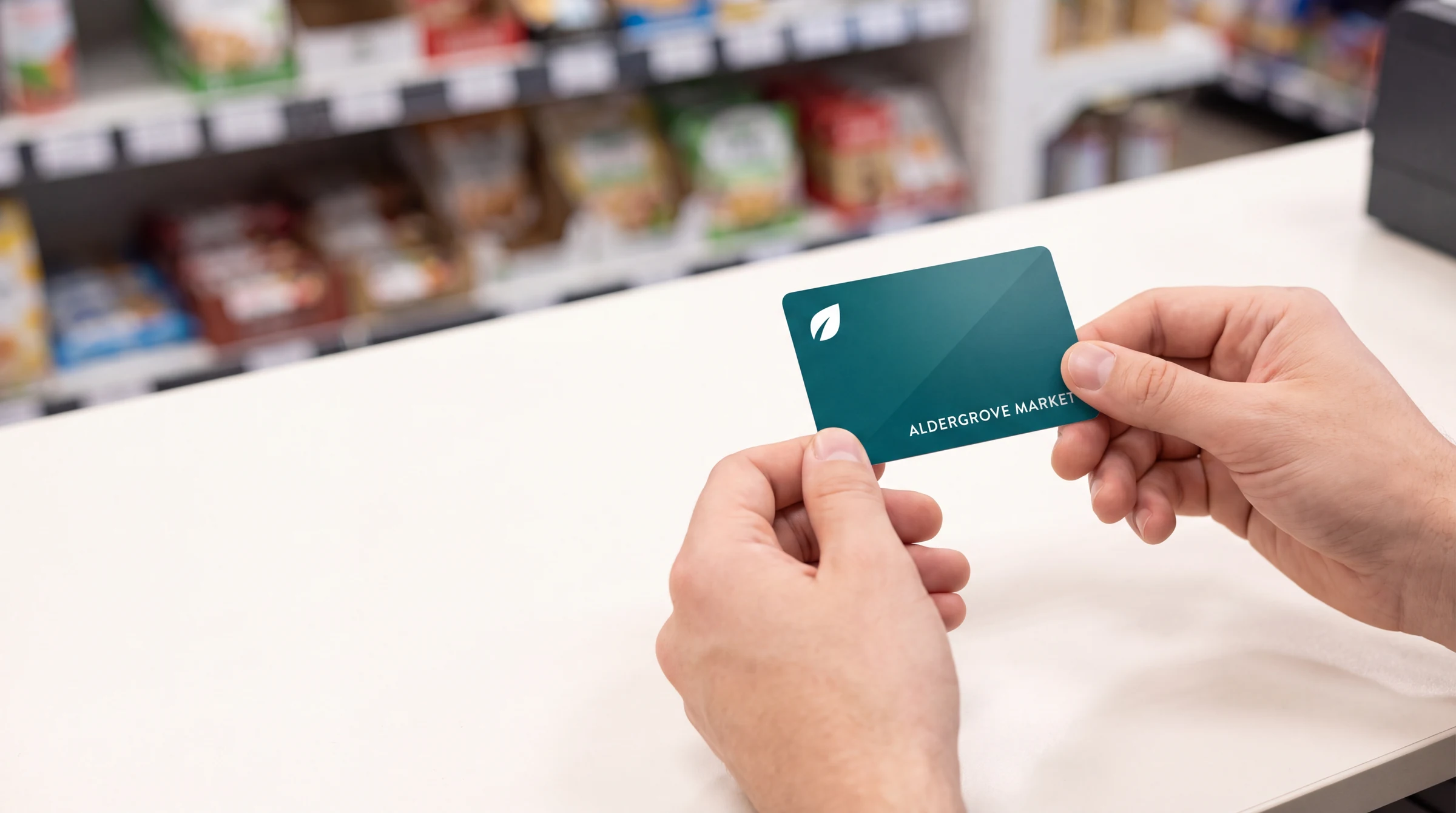
Loyalty and gift cards · Retail
A loyalty card lives in a wallet for years
Gift, membership and loyalty cards made in large volumes, each one numbered, barcoded or personalised at the plant in Dongguan.
Ask for a quote →Gift, membership and loyalty cards made in large volumes, each one numbered, barcoded or personalised at the plant in Dongguan.
Ask for a quote →Usually all three at once, on one artwork file and one delivery.
The card that has to survive years in a wallet. PVC or recycled PVC, with the member number, a barcode or a QR printed per card rather than added later with a label.
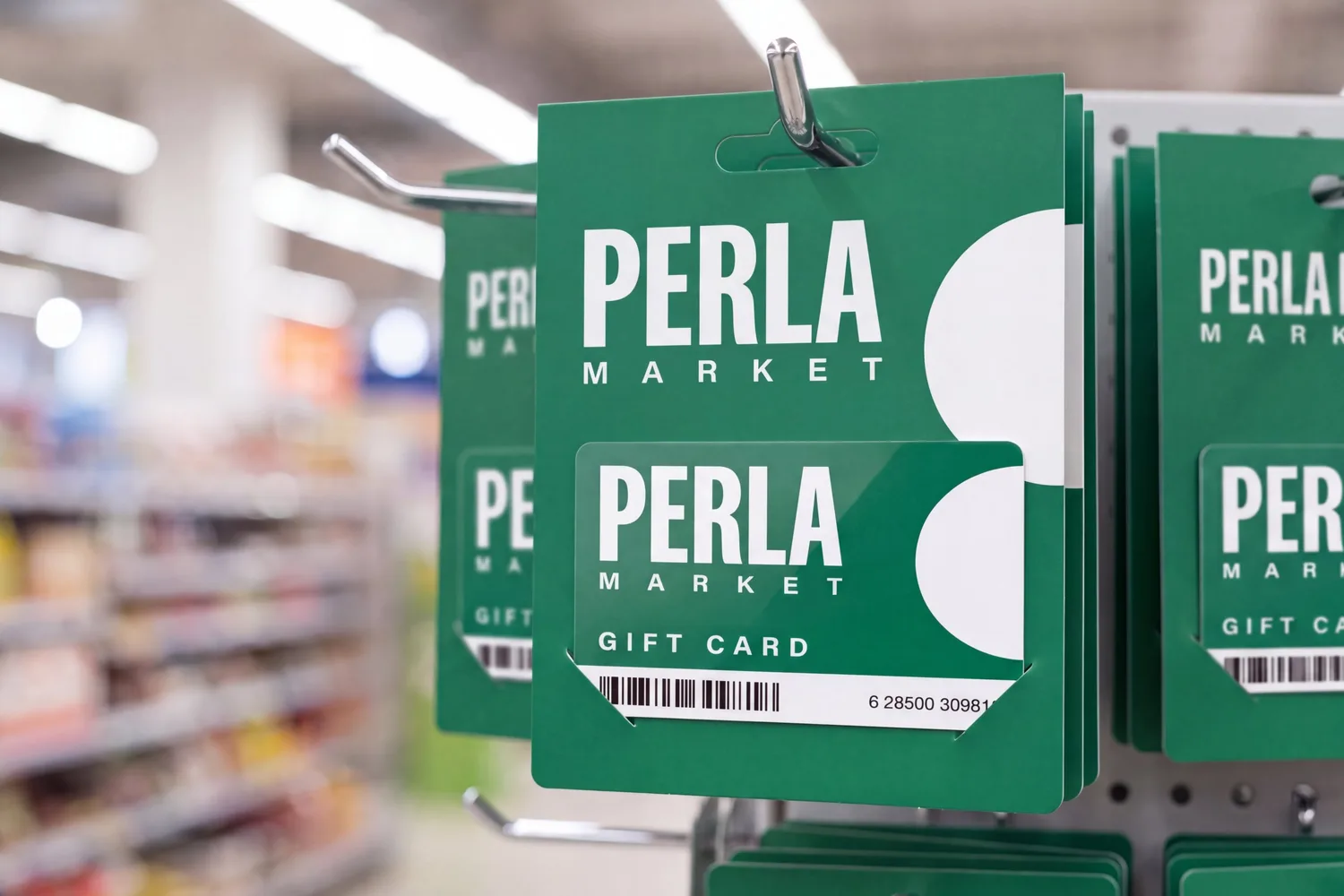
Sequential numbering under a scratch panel, so the code is only readable once the card is sold. Magnetic stripe or barcode, depending on what the till reads.
The small tag people actually carry, cut from the same sheet and printed with the same number as the card, so the till reads either one against the same account.
The same order, photographed where it ends up.
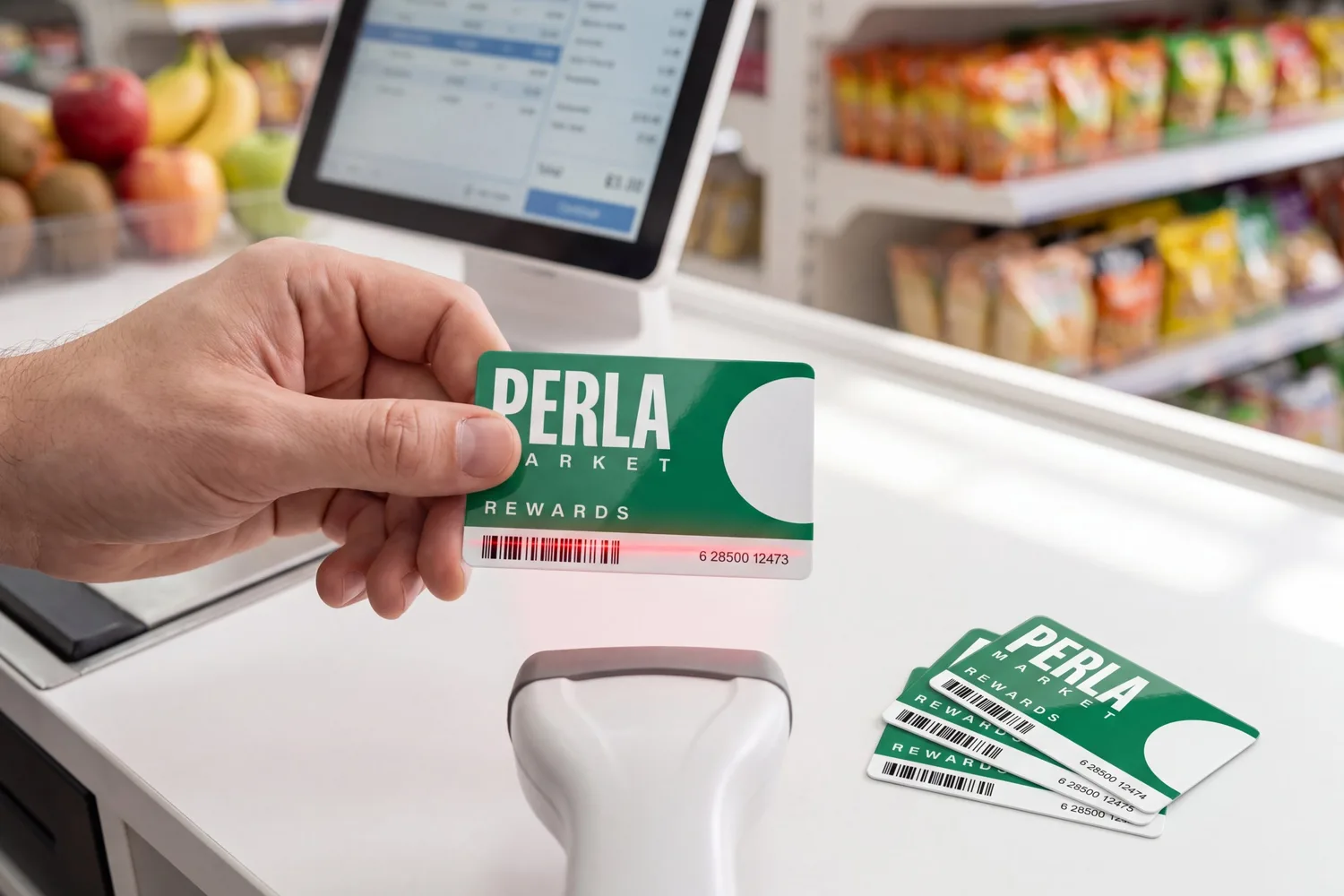
A member card at the till, numbered and barcoded per card.
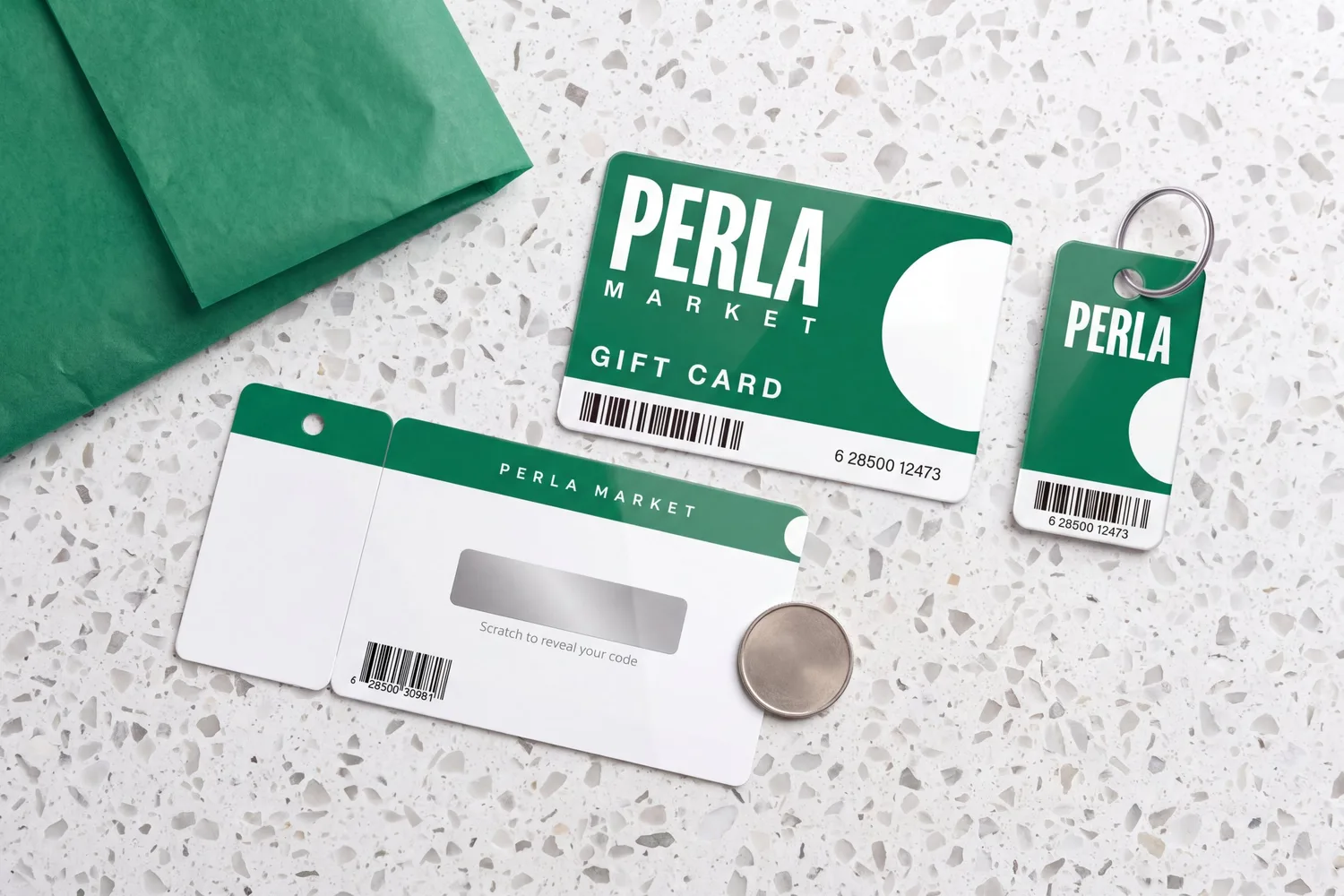
A gift card with the code still under the scratch panel.
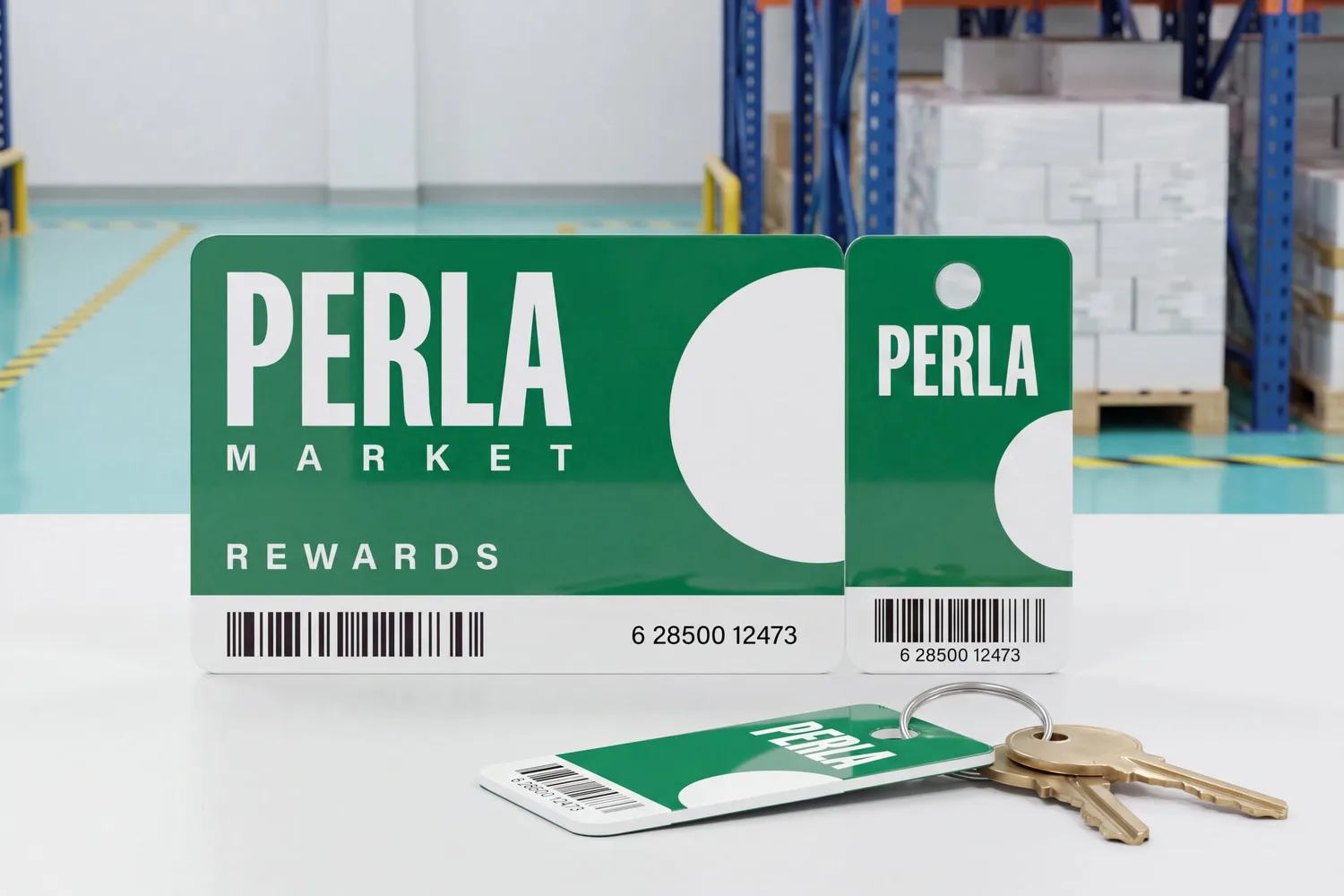
A key tag on a keyring, cut from the same sheet as the card.
The card and its printed carrier, from one artwork file.
One design and fifty thousand different cards, numbered or personalised on one line.
Sequential or non sequential numbering, barcodes and QR codes, generated per card from your data file and matched to your programme.
Names, numbers and per-card data printed in the same pass as the artwork, so personalisation is one production run.
A scratch panel over the code, readable only once the card is sold. UV printing, microtext, guilloche, hologram and hot stamping are available.
Magnetic stripe, signature panel, barcode, QR or a chip. We specify against the reader already in place rather than against a generic standard.
A retail programme is quoted per lot, not per card: the material and the stripe, the data file, the holder the card ships in and how the cartons are packed for each store. These are the four things we settle before a large run starts.
Four steps, the same for every order.
The run size and format, and the reader model if the card carries a chip. Artwork can come later.
The chip confirmed against your system and a price against that specification.
Ask for a free sample and test it where it will be used.
Standard production is 12 calendar days. The specification stays on file, so a reorder matches the first run.
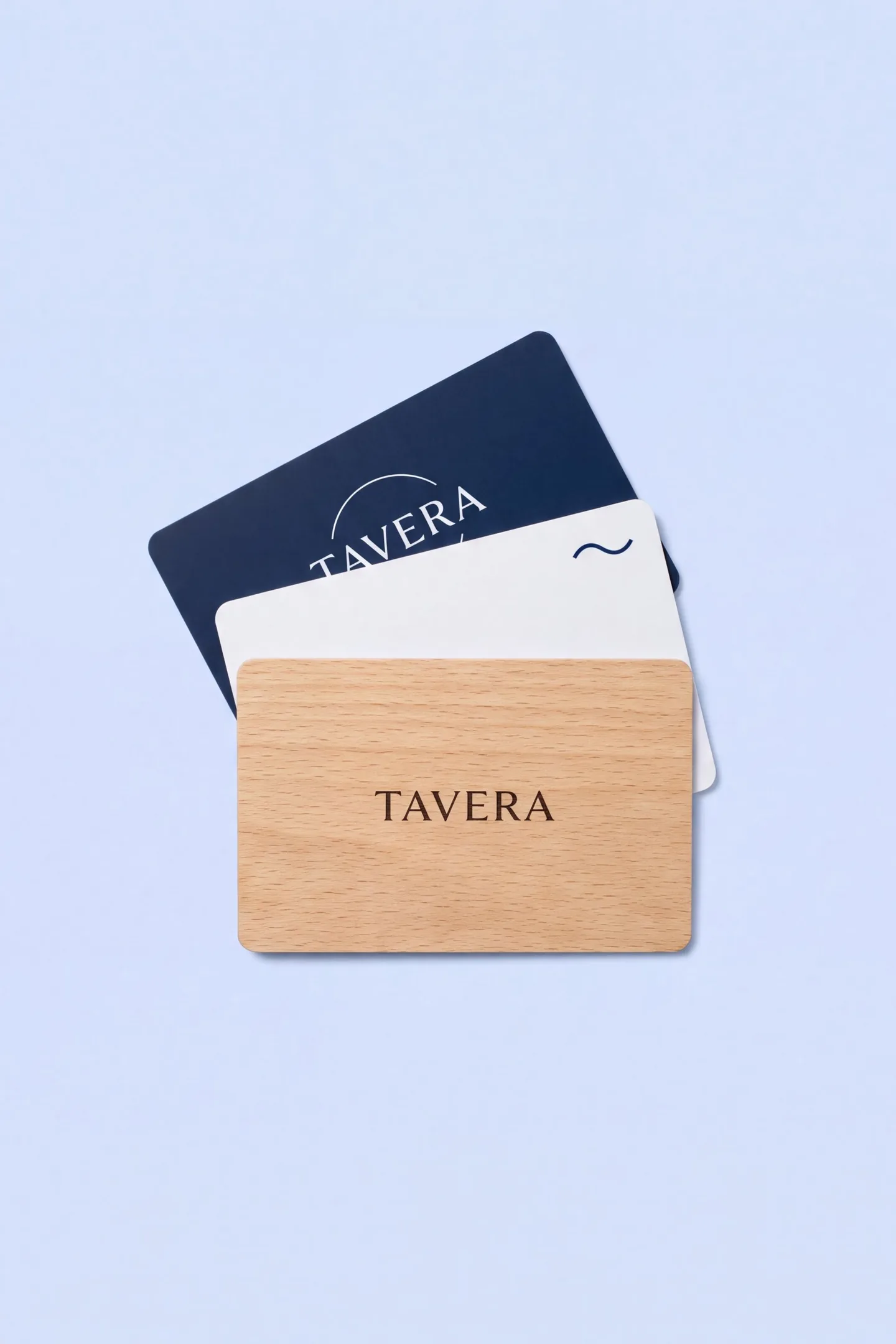
CR80 at 85.60 x 53.98 mm, in virgin or recycled PVC, with the magnetic stripe, signature panel and scratch panel a programme needs.
PVC cards →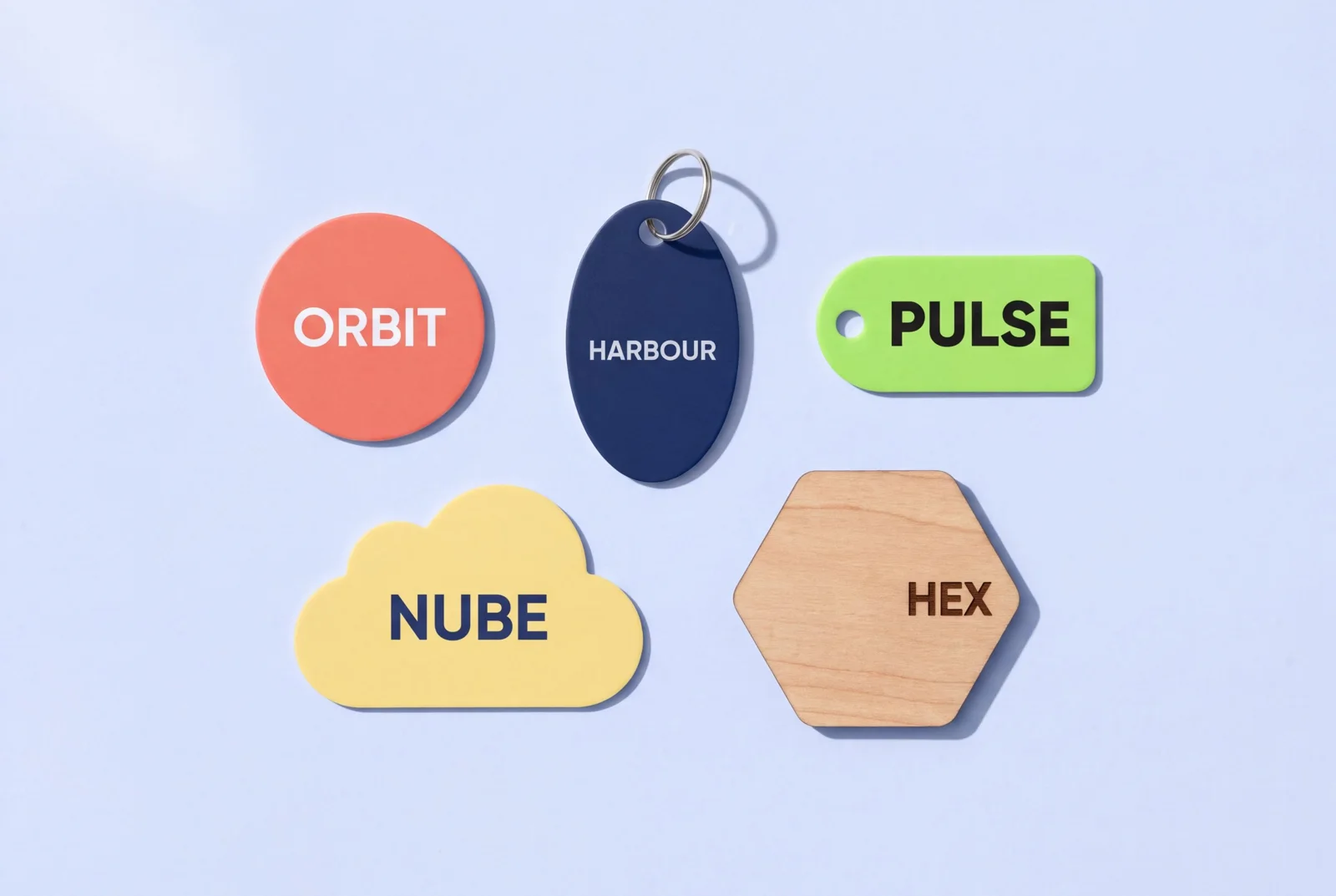
Key tags cut from the same sheet as the card, and outlines cut to a drawing rather than to CR80 where the format is part of the idea.
Special shape cards →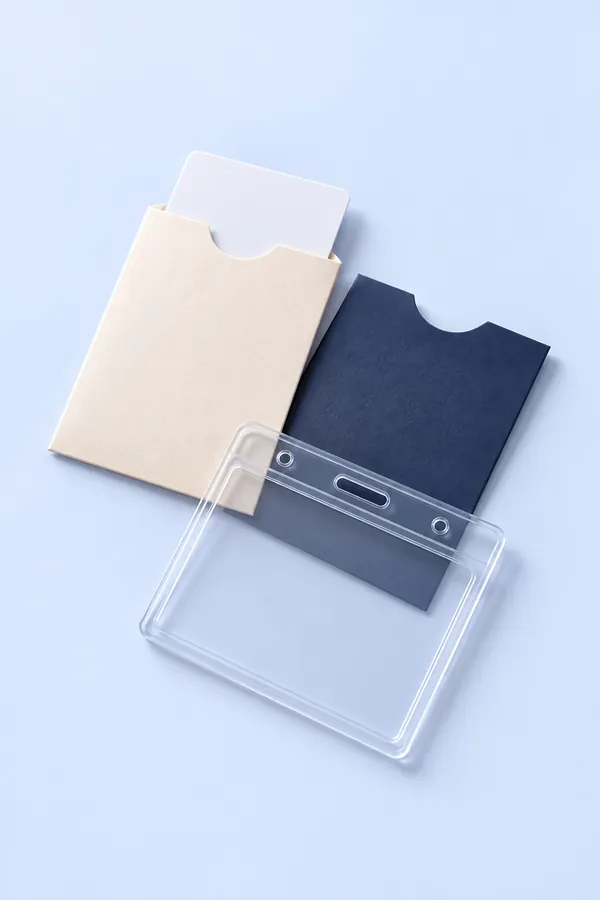
Printed carriers and envelopes the card is issued in, made to the card format and printed from the same artwork. Boxes carry your logo in black.
Accessories →Yes, and it is the normal case rather than an extra. Given the number range or the data file, the cards come back numbered, barcoded and matched to it.
Most loyalty programmes do not. A barcode or a QR is read by the till already in place. A chip is worth it when the card also has to open a door or be read without being handed over.
Yes, over a number printed underneath, so the code cannot be read until the card is sold. It is applied at the plant on the same run as the printing.
Same format, same thickness and the same printing and finishing options, with an eighty per cent recycled core. A sample in both settles it better than a description does.
Yes. They are cut from the same sheet and printed with the same number, so the till reads either one against the same member. The key tag goes on the keyring and the card stays in the wallet.
Only the fields that have to be printed are needed. A number range is usually enough, and where names are required, the file is used for the run and nothing more.
Yes. Artwork, colour references and finish stay on file and the reorder is produced against them, which matters more here than anywhere, because both cards are in circulation at once.
Yes. Ask for a free sample and run it through the real till before the season is ordered. Send the till or scanner model and the sample carries the barcode or QR it will have to read.
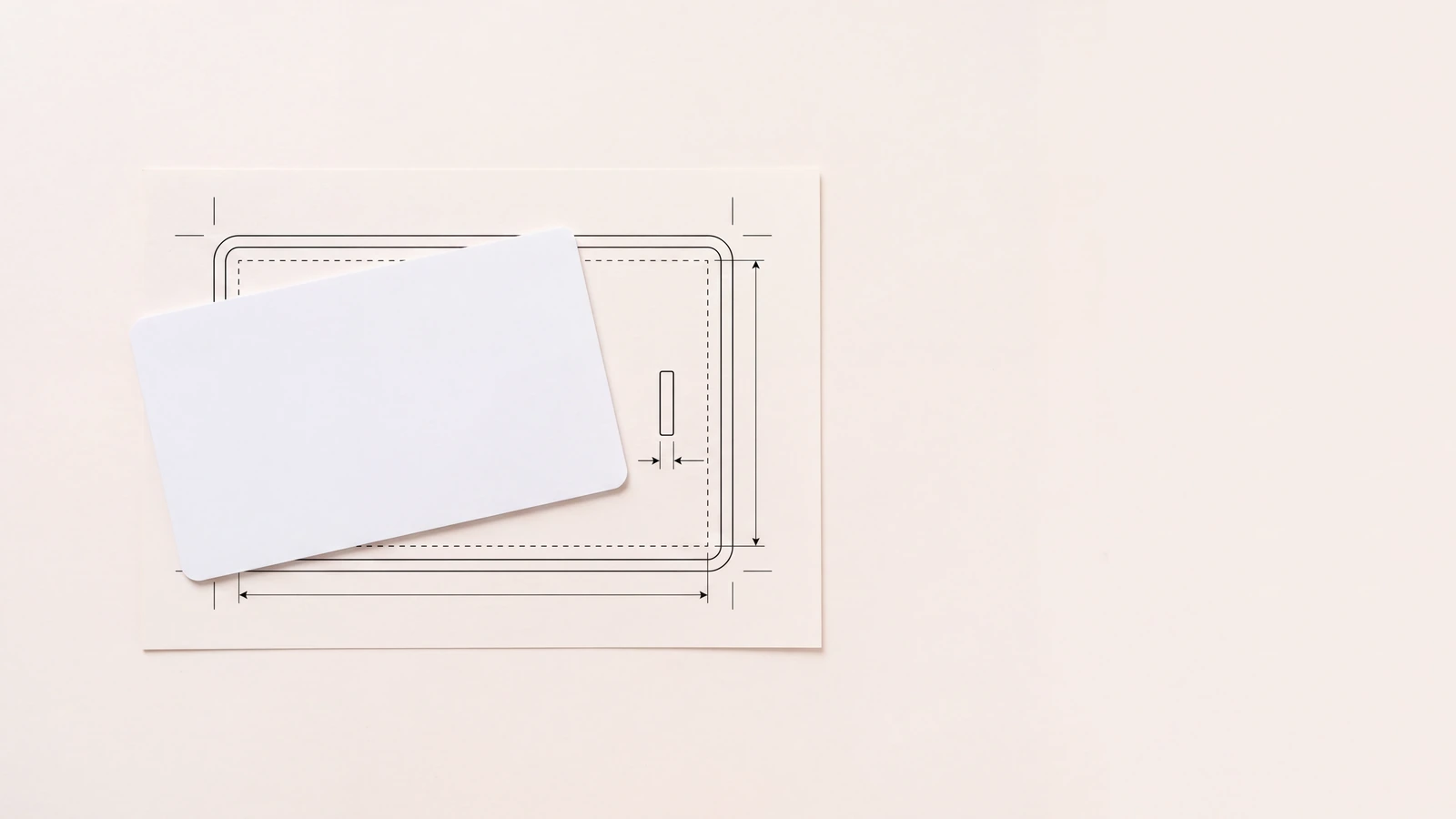
What a factory needs in order to quote, and the five artwork mistakes that cause a reprint.
Read the guide →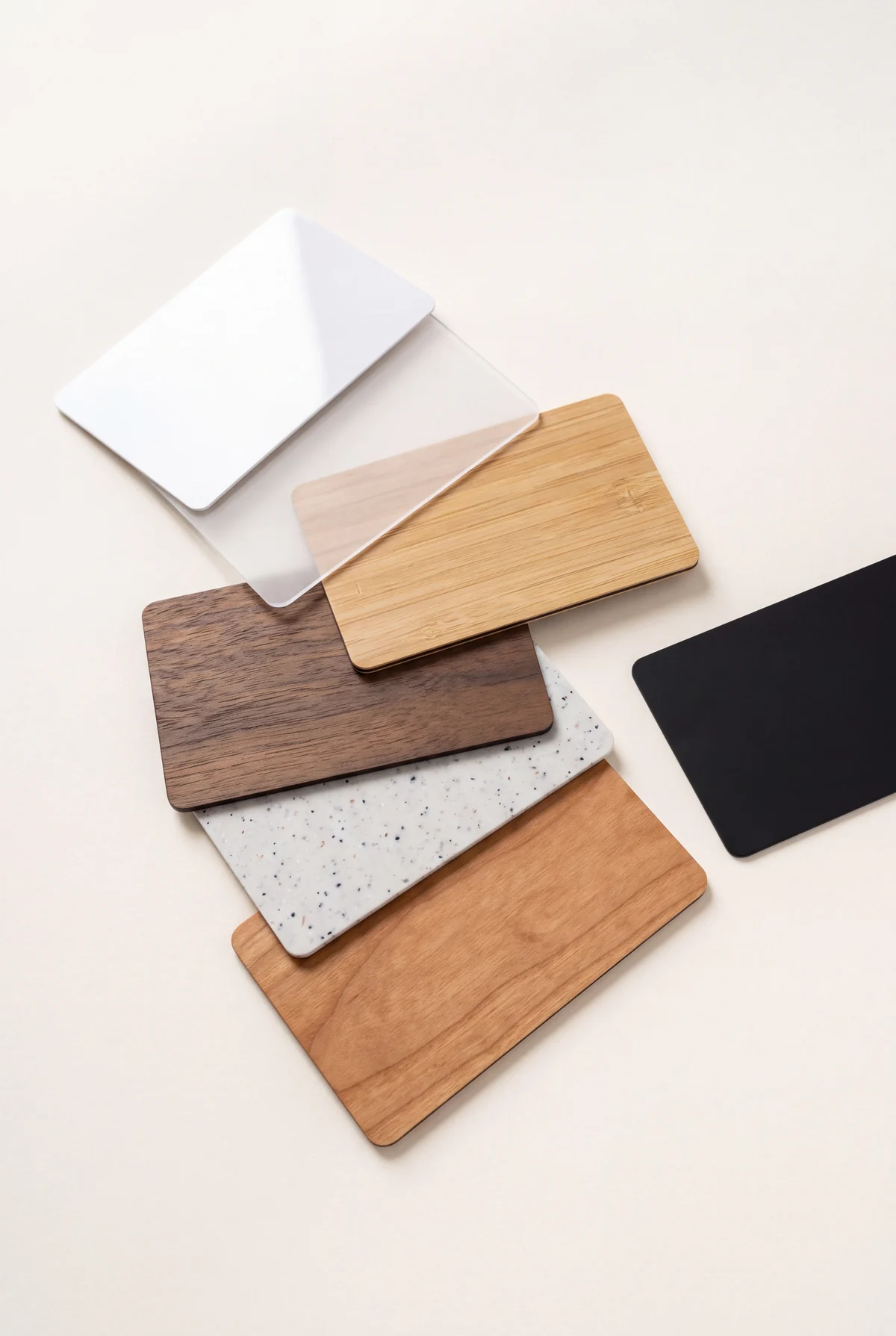
How PVC, recycled PVC, wood and PET differ on a card that lives in a wallet for years.
Read the guide →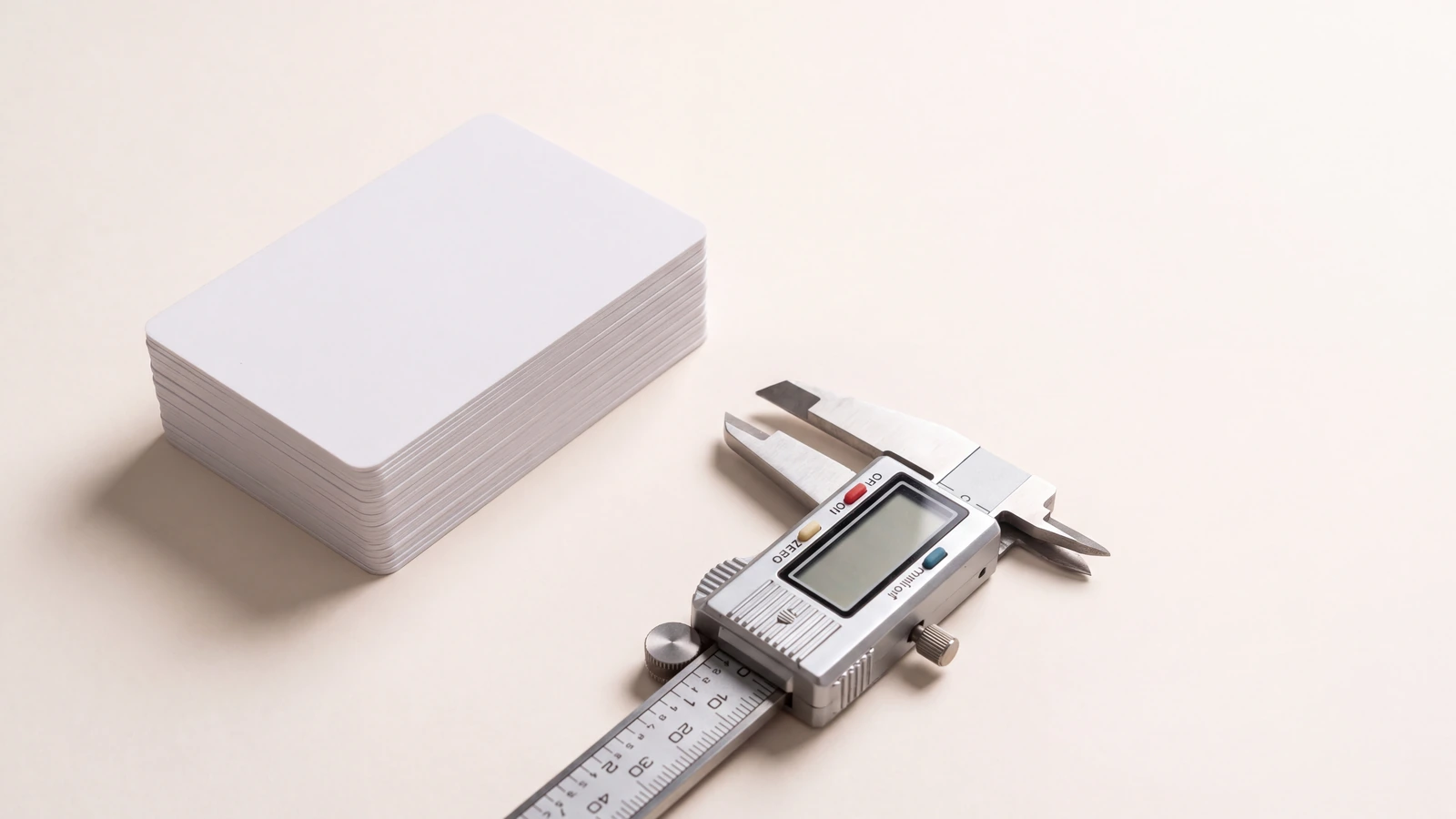
Why 0.76 mm is the number every encoder is built around, and how a card fails in a pocket.
Read the guide →Ask for a free sample in your material and chip.